
TL;DR

Get art and craft supplies delivered free with Prime
- Fast, free delivery on millions of items
- Prime Video, Amazon Music and more included
- Member-only deals all year
The Metropolitan Museum of Art has brokered the return of three Nigerian artworks. This move highlights ongoing repatriation efforts and rising international focus on cultural restitution. Details about the artworks and the process remain limited.
The Metropolitan Museum of Art has facilitated the return of three Nigerian artworks to Nigeria, marking a significant milestone in international efforts to repatriate cultural heritage. The move, confirmed by the museum, underscores increasing global attention on the restitution of artifacts looted or acquired under questionable circumstances, and highlights Nigeria’s ongoing push to reclaim its cultural patrimony.
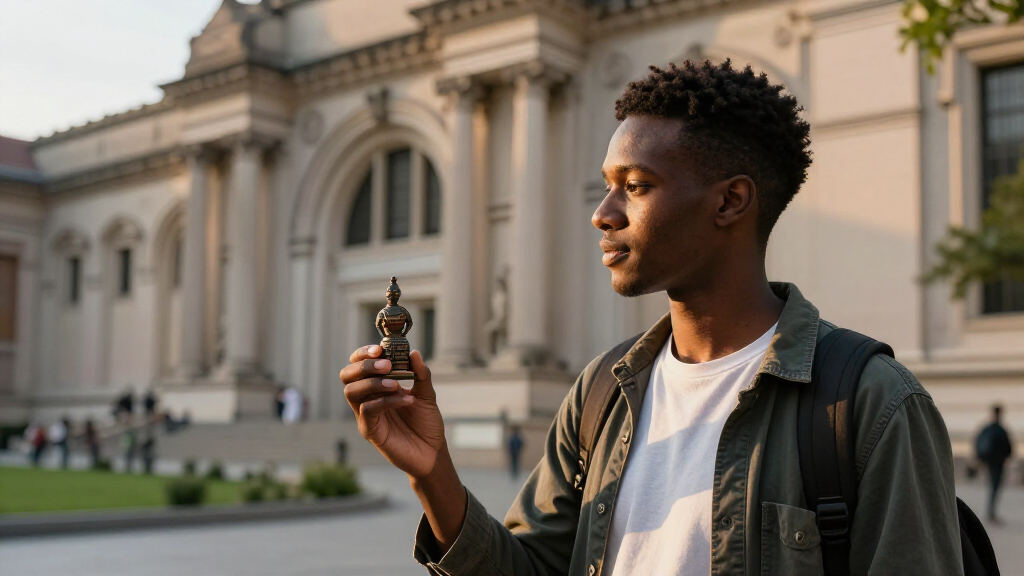
According to the Met Museum, the three artworks include a traditional Nigerian sculpture and two ceremonial objects. The museum stated that it has worked closely with Nigerian authorities and cultural institutions to ensure the artifacts are returned to their country of origin. The specific details about the artworks, such as their origins, age, and significance, have not been publicly disclosed, citing privacy and ongoing negotiations.
Sources familiar with the process indicate that the artworks were identified as part of broader efforts by the Met to review its collection and address concerns over provenance. The museum has previously faced scrutiny over items acquired through antiquities dealers and collectors linked to illicit trafficking. This recent action appears to be part of a wider initiative toward transparency and restitution.
Implications for Global Repatriation Efforts
This development is significant as it reflects a growing trend of major cultural institutions engaging in the restitution of artifacts to their countries of origin. It signals a shift towards greater accountability and collaboration in the field of cultural heritage management. For Nigeria, the return of these artworks is a symbolic victory in its ongoing efforts to recover items looted during colonial periods and illicit trafficking.
Internationally, the move may influence other museums and private collectors to re-examine their collections and consider similar repatriation actions. Experts suggest that such steps could foster stronger diplomatic and cultural ties between Nigeria and Western institutions, promoting a more ethical approach to collecting and displaying historical artifacts.
Nigerian traditional sculpture replica
As an affiliate, we earn on qualifying purchases.
As an affiliate, we earn on qualifying purchases.
Background on Nigeria’s Repatriation Campaigns
Nigeria has long been active in seeking the return of cultural artifacts looted during colonial rule and through illicit markets. Over the past decade, the country has intensified its efforts, engaging in legal battles, diplomatic negotiations, and collaborations with museums worldwide. Notably, Nigeria has previously reclaimed artifacts from European institutions, though many items remain unreturned.
The Met Museum, one of the world’s leading cultural institutions, has faced increasing pressure to address provenance issues in its collection. While the museum has made some efforts to review and restitute items, this recent return of three Nigerian artworks marks a notable step forward.
It is unclear whether these artworks were acquired legally or through illicit means, as provenance records are often incomplete or contested for artifacts of this age and origin. The process of verification and negotiation can be lengthy and complex, involving multiple stakeholders.
ceremonial Nigerian artifact display
As an affiliate, we earn on qualifying purchases.
As an affiliate, we earn on qualifying purchases.
Details of the Artworks and Provenance Remain Unclear
It is not yet confirmed which specific Nigerian communities or regions the artifacts originate from, nor are details about their age or historical context publicly available. The provenance records are still under review, and the full history of how these items left Nigeria remains uncertain. Additionally, the exact legal or illicit status of the artifacts before their return has not been disclosed.
It is also unclear whether further artifacts are planned for repatriation in the near future or if this is an isolated case.
As an affiliate, we earn on qualifying purchases.
Next Steps in Nigeria’s Cultural Repatriation Process
The Nigerian government and cultural institutions are expected to conduct further research into the provenance of these artifacts and potentially identify more items for return. Diplomatic and legal negotiations may continue to clarify ownership and ensure proper custody upon repatriation.
The Met Museum has indicated it will review other items in its collection with uncertain provenance, which could lead to additional restitutions. Both Nigeria and international partners are likely to increase collaboration to facilitate the return of more cultural heritage items.
Public and scholarly interest in the case is expected to grow, possibly prompting more transparency from museums and collectors regarding their collections and provenance documentation.
cultural heritage preservation tools
As an affiliate, we earn on qualifying purchases.
As an affiliate, we earn on qualifying purchases.
Key Questions
Which artworks were returned to Nigeria?
The specific artworks have not been publicly disclosed, but they include a traditional Nigerian sculpture and two ceremonial objects, as confirmed by the Met Museum.
Why are these returns significant?
The return of these artifacts marks a step forward in global efforts to address cultural restitution, emphasizing ethical stewardship by museums and Nigeria’s ongoing campaign to reclaim its cultural heritage.
Are more artifacts expected to be returned?
It is possible, as Nigeria continues efforts to recover looted or illicitly acquired artifacts. The Met Museum has indicated it will review other items with uncertain provenance, which could lead to additional restitutions.
How did the artifacts leave Nigeria originally?
The full provenance of the artifacts remains unconfirmed, but many Nigerian cultural objects were looted during colonial periods or acquired through illicit markets, complicating legal and ethical claims.
What is Nigeria’s plan for these artifacts upon return?
Nigeria intends to incorporate the artifacts into its national museums and cultural institutions, where they will be preserved and displayed as part of the country’s heritage.
Source: rss
Halloween Picks
halloween
As an affiliate, we earn on qualifying purchases.