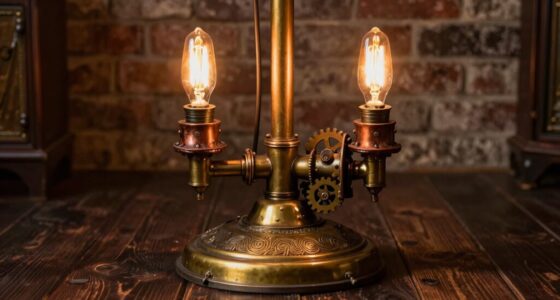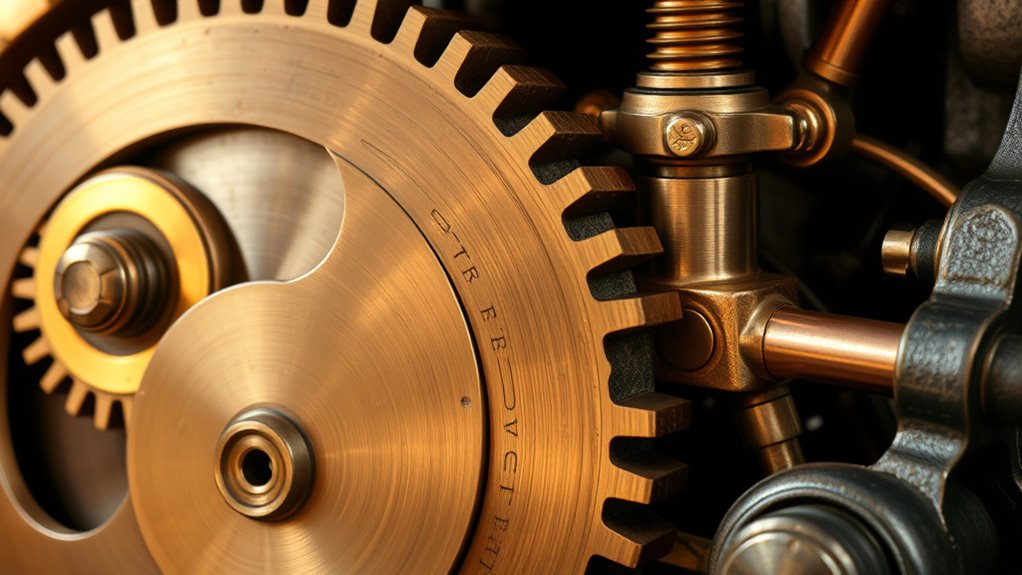

During the Victorian era, metals like brass, copper, and iron drove technological progress. Copper’s excellent conductivity powered electrical and telegraph systems, while its durability made it ideal for plumbing and infrastructure. Brass, an alloy of copper and zinc, enhanced machinery, decorative arts, and musical instruments thanks to its strength and appearance. Iron and steel supported railway expansion, bridges, and tools, transforming industry and transportation. If you want to discover how these metals shaped Victorian innovations further, keep exploring their essential roles.
Listen free for 30 days with Audible
Thousands of audiobooks and originals — cancel anytime.
As an affiliate, we earn on qualifying purchases.
Key Takeaways
- Copper was vital for electrical and telegraph systems, enabling faster communication and infrastructure development.
- Brass, an alloy of copper and zinc, improved manufacturing, decorative arts, and machinery components due to its durability and aesthetic appeal.
- Iron and steel supported Victorian infrastructure, including railways, bridges, and machinery, with steel offering greater strength and flexibility.
- Copper’s corrosion resistance made it ideal for plumbing, heating, and electrical applications, enhancing industrial reliability.
- Alloys like brass expanded material capabilities, leading to more precise, durable components and advancing Victorian technological progress.
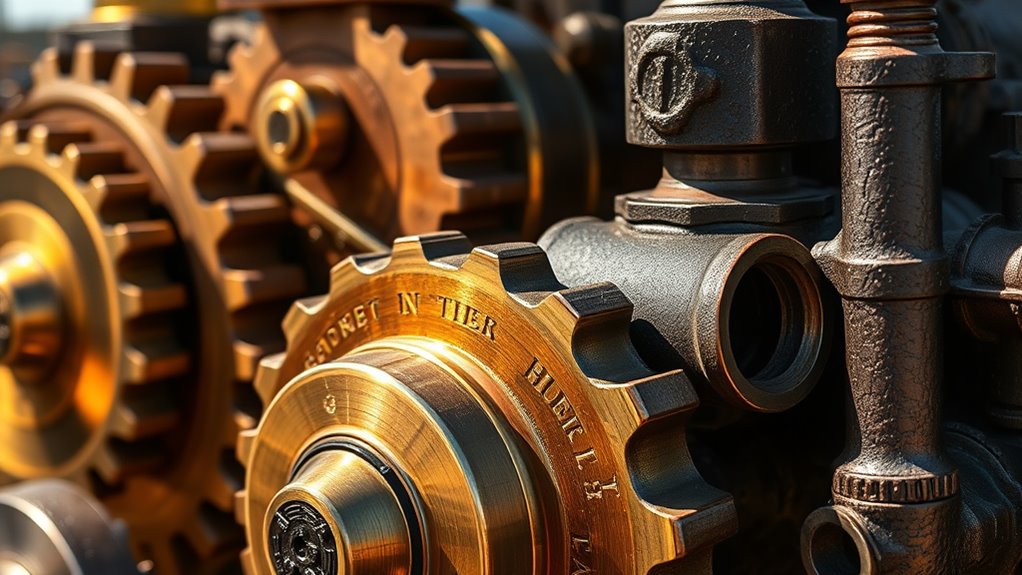
Metals are at the heart of Victorian technology, fueling innovations that transformed industries and daily life. During this era, metals like brass, copper, and iron became essential components in advancing industrial innovation and material manufacturing processes. You may not realize it, but these metals played a pivotal role in shaping everything from transportation to communication, and their properties made them indispensable for building the modern world. Copper, for example, was indispensable in electrical and telegraph systems, thanks to its excellent conductivity. You’d find copper wiring in early telegraph cables, enabling faster communication across long distances. Its durability and malleability made it ideal for creating intricate electrical components, which helped revolutionize how people exchanged information. Copper’s use extended beyond communication; it was also a key material in plumbing and heating systems due to its resistance to corrosion. As a result, Victorian engineers relied heavily on copper to develop more efficient, long-lasting infrastructure. Its widespread use in material manufacturing helped streamline construction and manufacturing processes, allowing industries to produce reliable, high-quality products at scale. Additionally, the development of copper alloys expanded the range of applications for this versatile metal, further advancing Victorian technological progress. Brass, an alloy of copper and zinc, became a favorite for its versatility and aesthetic appeal. You’d see it used extensively in decorative arts, fittings, and machinery parts. Brass was easy to cast and machine, enabling craftsmen and engineers to create precise components for a variety of applications. Its corrosion resistance and attractive appearance made it popular in everything from household fixtures to musical instruments. In terms of industrial innovation, brass allowed manufacturers to develop more refined and durable parts, which in turn improved the efficiency and longevity of machinery. Its adaptability played a significant role in advancing material manufacturing techniques, helping industries produce complex components more quickly and with greater precision. Iron, particularly in its cast and wrought forms, was the backbone of Victorian industry. You’d recognize it in everything from railways and bridges to tools and machinery. Iron’s strength and availability made it the ideal material to support the rapid expansion of transportation networks and infrastructure. The development of steel, an alloy of iron with carbon and other elements, further enhanced its properties, leading to stronger, lighter structures. This evolution in iron and steel manufacturing fueled industrial innovation, allowing for the construction of larger, more ambitious projects. It also revolutionized material manufacturing by enabling mass production techniques like the Bessemer process, which drastically lowered steel costs and increased output. Iron and steel became the foundation for Victorian engineering marvels, shaping the landscape of modern industry and infrastructure.

Awilzzoe 99.9% Pure Copper Wire Set | Non-Insulated 20 Gauge 60 Feet & 24 Gauge 100 Feet | Pure Copper Wire for Electrical Wiring, DIY Crafts, Jewelry Making & Electroculture Gardening
- Pure Copper Material: 99.9% pure bare copper wire
- Two Gauge Sizes: 20G 60ft and 24G 100ft rolls
- High Conductivity: Superior electrical conductivity
As an affiliate, we earn on qualifying purchases.
As an affiliate, we earn on qualifying purchases.
Frequently Asked Questions
How Did Metal Extraction Methods Evolve During the Victorian Era?
During the Victorian era, metal extraction methods evolved markedly through innovations in ore processing and metal refining. You’d find new techniques like improved smelting and crushing that increased efficiency, making it easier to extract metals from ore. These advancements reduced waste and boosted production, supporting rapid industrial growth. This period saw a shift towards more systematic and scientific approaches, enabling you to obtain higher purity metals more quickly and cost-effectively.
What Were the Environmental Impacts of Victorian Metal Industries?
The Victorian metal industry cast a shadow like a thick fog over the environment. You’d notice pollution from smog and contaminated rivers, harming ecosystems. While metal recycling helped reduce waste, pollution control measures were often inadequate, leading to air and water pollution. These practices left lasting scars on the landscape, showing how industrial progress often came at the cost of nature’s health during that era.
How Did Metal Innovations Influence Victorian Transportation Systems?
Your understanding of Victorian transportation is shaped by metal innovations in forging and transportation engineering. These advancements allowed you to build stronger, more durable railway tracks and steamboats, making travel faster and more reliable. Metal forging techniques improved the strength of components, leading to safer trains and ships. As a result, transportation systems expanded, connecting towns and industries, fueling economic growth, and transforming Victorian society through improved mobility and trade.
Were There Any Health Risks Associated With Working With These Metals?
You might not realize it, but working with these metals posed serious health risks. Metal dust from brass, copper, and iron created occupational hazards, exposing workers to respiratory issues and other illnesses. Coincidentally, many workers didn’t understand these dangers at the time, risking long-term health. Today, we recognize how hazardous metal dust was, highlighting the importance of safety measures that were sadly lacking during the Victorian era.
How Did Victorian Metal Technologies Compare to Earlier Periods?
You’ll find Victorian metal technologies more advanced than earlier periods, driven by innovations in metal alloy development and intricate decorative metalwork. You see improved techniques for shaping and combining metals like brass, copper, and iron, enabling more durable tools and stunning decorative pieces. This era’s focus on craftsmanship and experimentation surpasses previous efforts, reflecting a significant leap in both functional and artistic metal applications.
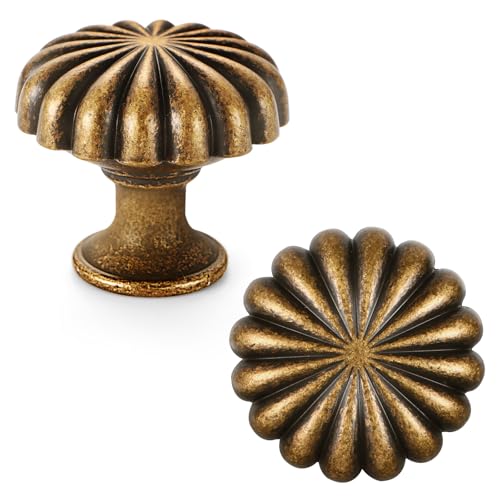
FAPUAL Antique Brass Cabinet Knobs,10 Pack Solid Drawer Pulls for Dressers
- Material: Zinc alloy for durability and elegance
- Design: Vintage floral design for classic charm
- Application: Suitable for cabinets, drawers, and doors
As an affiliate, we earn on qualifying purchases.
As an affiliate, we earn on qualifying purchases.
Conclusion
As you explore Victorian innovations, it’s clear that brass, copper, and iron fueled progress like the heartbeat of a mighty engine. These metals aren’t just materials; they’re the backbone of a transformative era, shaping a world on the brink of modernity. Without them, the Victorian age would be a ship stranded without its anchor—lost in the tides of change. Their legacy is woven into the very fabric of technological history, guiding us ever forward.

Revell 17325 Evil Iron Trike 1:8 Scale 153-Piece Skill Level 5 Model Motorcycle Bike Building Kit
- Model Kit Number: Revell 17325
- Skill Level: Level 5
- Number of Pieces: 153 parts
As an affiliate, we earn on qualifying purchases.
As an affiliate, we earn on qualifying purchases.

10 Pcs Straight Copper Fittings 1/4 Inch Copper Pipe Welding Joint Pipe Coupling Fittings for HVAC Air Conditioning
- Functionality: Connects copper pipes in HVAC systems
- Dimensions: Inner diameter 6.3mm, length 16mm
- Material: High-quality, durable copper
As an affiliate, we earn on qualifying purchases.
As an affiliate, we earn on qualifying purchases.
Back to school Picks
back to school
As an affiliate, we earn on qualifying purchases.