To make your prop look mechanical instead of magical, you should expose its gears, levers, and motors to showcase the engineering behind it. Use rugged materials like metal or plastic, and highlight joints, seams, and automated parts to emphasize craftsmanship and functional complexity. Mechanical props often display inner workings transparently, creating a gritty, industrial feel. Keep these details in mind, and you’ll uncover more ways to craft authentic mechanical effects as you explore further.

Get art and craft supplies delivered free — and shop member deals
- Fast, free delivery on millions of items
- Access to Prime Big Deal Days deals on October 6–7
- Prime Video, Amazon Music and more included
Key Takeaways
- Visible gears, levers, and motors showcase industrial craftsmanship, emphasizing functionality over mysticism.
- Transparent mechanisms reveal the internal workings, highlighting engineering and mechanical complexity.
- Use of rugged, utilitarian materials like metal or plastic enhances the raw, machine-driven appearance.
- Exposing seams and joints emphasizes mechanical construction rather than concealment or illusion.
- Design balances exposing and hiding components to evoke power and authenticity rather than magic or wonder.

Have you ever wondered why some props look convincingly magical, while others seem purely mechanical? The difference often comes down to how they’re designed and the mechanisms behind their movement. Props that appear magical usually hide their workings, creating an illusion of effortless wonder. Conversely, props that look mechanical tend to reveal their inner workings, making the audience more aware of the machinery involved. This distinction hinges on several factors, starting with how automated mechanisms are integrated into the design.
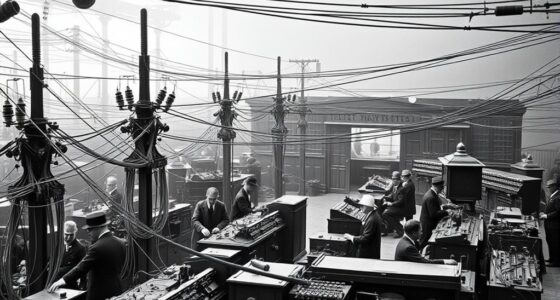
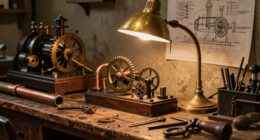
When a prop looks mechanical, it’s typically because of visible or overly obvious components that suggest industrial design. These props often feature exposed gears, levers, and motors, which make their mechanical nature unmistakable. Instead of hiding the mechanisms, the design emphasizes their presence, giving a sense of raw, functional engineering. This approach can be deliberate, especially if the intention is to evoke a sense of power, technology, or dystopian realism. The industrial design principles focus on clarity and functionality, often showcasing the machinery’s complexity rather than disguising it.
Automated mechanisms play a crucial role here. When these are evident, they contribute to a mechanical appearance by making the workings transparent to the viewer. For example, visible pistons, rotating gears, or flashing LEDs create an impression that the prop is driven by machinery. This transparency makes the prop seem more like a machine rather than an enchanted object. While this might not evoke the same sense of wonder as hidden mechanisms, it can be powerful in creating a sense of authenticity and grit, especially in sci-fi or industrial-themed settings. Incorporating mechanical transparency can further enhance this effect by deliberately exposing the workings to emphasize their functionality.
The key difference lies in how the industrial design and automated mechanisms are integrated. Props that seem mechanical often use rugged, utilitarian materials like metal or plastic with visible seams and joints. These elements emphasize the craftsmanship and mechanical complexity, making the audience aware that they’re looking at a machine. Conversely, props intended to look magical hide these details, opting for smooth surfaces, intricate illusions, or hidden mechanisms that give an impression of effortless magic. To achieve this, designers often employ concealment techniques, carefully hiding the mechanical parts behind decorative elements or illusions.
In essence, if you want a prop to appear mechanical, you focus on revealing its inner workings through industrial design and visible automated mechanisms. This transparency highlights the engineering behind it, making it feel more like a piece of machinery than a mystical artifact. Understanding industrial design principles is essential in crafting such props, as it guides how materials, components, and mechanisms are intentionally exposed or concealed to achieve the desired effect. The choice depends on the story you want to tell—whether you want to evoke awe or admiration for the engineering or to inspire wonder through concealment.
Frequently Asked Questions
How Do Lighting Choices Affect a Prop’s Mechanical Appearance?
Lighting choices directly influence whether a prop appears mechanical or magical. You should use sharp, high-contrast lighting to emphasize texture contrast, making the prop look more industrial. Fixture placement is essential; placing lights directly on or around the prop can highlight mechanical details, while softer, diffused lighting creates a more enchanted feel. Strategic lighting can turn a seemingly mechanical object into something magical by manipulating shadows and highlights.
Can Materials Influence Whether a Prop Looks Mechanical or Magical?
Yes, materials greatly influence whether a prop looks mechanical or magical. You’ll want to choose materials with specific textures and surface detailing; smooth, shiny surfaces tend to appear mechanical, while textured, weathered finishes evoke a magical feel. Incorporating intricate surface details can enhance the mystical quality, whereas minimal detailing emphasizes a sleek, industrial look. Selecting the right materials and textures helps you craft a prop that convincingly embodies either mechanical or magical qualities.
What Role Does Color Palette Play in the Perception of a Prop?
You notice how a deep red prop can evoke passion or danger due to color symbolism, while a soft blue suggests calmness through cultural associations. For example, in Harry Potter, the vibrant, magical hues contrast sharply with mechanical-looking props, emphasizing their enchantment. Your choice of color palette influences perception by aligning with cultural meanings or symbolism, making the prop feel more mystical or mechanical, depending on the tone you want to convey.
How Does Scale Impact the Mechanical Versus Magical Look?
You see that scale markedly influences whether a prop feels mechanical or magical. When size exaggeration is too extreme, it often reads as mechanical because it breaks the illusion of believability. Conversely, smaller, detailed textures enhance the magical feel, making the prop seem more enchanted and less artificial. Paying attention to scale helps you balance these elements, ensuring the prop appears authentically magical rather than mechanical or toy-like.
Are There Specific Design Elements That Make a Prop Appear More Mechanical?
You’ll spot a mechanical prop from a mile away when it’s coated in shiny, futuristic textures and boasts industrial detailing that screams “factory-made.” Think exposed gears, rivets, and metallic panels that look more like a robot’s laundry list than enchanted magic. These design elements strip away mystique, turning what could be magical into a cold, mechanical marvel, reminding you that someone’s been tinkering instead of conjuring.
Conclusion
So, when you craft a prop, think of it as a whisper of machinery rather than a spell’s secret. Every bolt, gear, and weld acts like a clue, anchoring it in reality’s firm ground. If you want your prop to breathe magic, let it dance with subtle imperfections and mysterious shadows. Remember, a mechanical look is like a well-oiled clock—precise and unyielding—while true magic lives in the fleeting, enchanting glow of the unknown.
Fall Picks
fall essentials
As an affiliate, we earn on qualifying purchases.