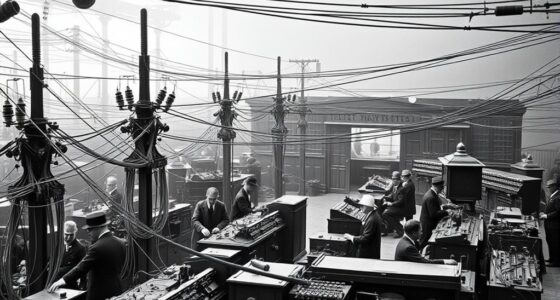
To fake industrial complexity in steampunk props, start by studying vintage machinery like clocks and steam engines for authentic details. Use lightweight materials such as foam or resin to create tiny gears, pistons, and valves, arranging them in layered, overlapping patterns to add depth. Apply weathering techniques like dry brushing, rust washes, and surface imperfections for authenticity. Enhance realism with small labels, gauges, and subtle shadows. Keep practicing these methods, and you’ll discover how to craft convincing, intricate industrial looks.

Get art and craft supplies delivered free with Prime
- Fast, free delivery on millions of items
- Prime Video, Amazon Music and more included
- Member-only deals all year
Key Takeaways
- Incorporate layered, overlapping mechanical parts like gears, pistons, and levers to create visual depth.
- Use detailed miniature components made from foam or resin to mimic intricate machinery.
- Apply weathered metallic paint and patinas to simulate age, rust, and wear.
- Add small gauges, labels, and dials with faux readings for a realistic industrial look.
- Use lighting and shadowing effects to emphasize layered complexity and enhance depth perception.

Creating convincing steampunk props often means making them look as if they’re teeming with intricate machinery and complex engineering, even if the actual mechanics are simple or non-functional. To achieve this, you need to focus on the visual cues that suggest mechanical intricacies and vintage machinery. These details will trick the eye into believing your prop is a complex piece of industrial equipment, adding authenticity to your costume or set.
Start by studying vintage machinery and industrial designs. Look at old clocks, steam engines, and antique devices to understand how their parts are arranged. Replicate their appearance using lightweight materials like foam, resin, or plastic, which are easier to carve and shape. For the mechanical intricacies, you should add tiny, detailed components that resemble gears, pistons, valves, and levers. These don’t need to be functional; their purpose is to suggest complexity. Arrange them in layered, overlapping patterns to create depth and visual interest. Use a combination of raised elements and recessed details to mimic the varied surface textures found on real machinery.
Study vintage machinery for authentic design; layer tiny gears and levers to create depth and complex-looking details.
Paint is your best tool for convincing vintage machinery. Use weathered, metallic tones like bronze, copper, and tarnished silver. Apply dry brushing to highlight edges and raised details, giving them a worn, aged look. Add rust effects or patina using washes or enamel paints to enhance the sense of age and use. Incorporating vintage design elements can further enhance the aged and complex appearance of your props. Additionally, adding subtle variations in color and texture can help create a more authentic, lived-in look. Paying attention to surface details like scratches, dents, and paint chipping will make your props appear more realistic and well-used. Using realistic weathering techniques can further improve the aged appearance and add depth to your work. Incorporating different lighting effects can also highlight the layered details and enhance the illusion of complexity.
Shadows cast by layered components will give your prop a sense of depth and complexity. Additionally, consider adding small labels, gauges, or dials with faux readings to suggest functional controls, further enhancing the industrial look. Remember, even visual cues like worn edges or slight imperfections can significantly boost the realism of your prop.
As an affiliate, we earn on qualifying purchases.
Frequently Asked Questions
What Materials Are Best for Creating Realistic Industrial Textures?
To create realistic industrial textures, you should use materials like foam or resin for the base, then add metal finishes such as metallic paints or leafing to mimic real metal. Incorporate surface detailing with gear patterns, rivets, and pipes using sculpting clay or embossed metal sheets. These materials give your props a convincing industrial look, making textures appear aged and complex, perfect for authentic steampunk designs.
How Can I Add Moving Parts to My Steampunk Props?
Adding moving parts to your steampunk props is like giving life to a mechanical heart. You should incorporate small motors or servo actuators for realistic mechanical movement, ensuring gears stay synchronized for authenticity. Use hidden joints and pivots to make parts move smoothly, and consider using lightweight materials to keep it all functional. This approach creates dynamic, believable features that captivate and immerse your audience in your steampunk world.
What Color Schemes Enhance the Industrial Look?
You should go for muted, metallic color schemes like dark browns, bronze, and tarnished copper to enhance the industrial look. Incorporate vintage machinery-inspired tones, emphasizing rust effects to give your props an aged, authentic feel. Adding shades of grey and black can also deepen the industrial vibe, creating a gritty, mechanical aesthetic. These colors, combined with rust effects, will make your steampunk props look convincingly complex and worn-in.
How Do I Ensure Durability in My Faux Industrial Components?
To guarantee durability in your faux industrial components, think of vintage machinery that withstands time through sturdy materials. Use high-quality paints with clear sealants over mechanical detailing to prevent chipping. For instance, apply a matte clear coat on faux gears and pipes to protect the finish, mimicking real metal’s resilience. This approach guarantees your steampunk props stay intact, maintaining their detailed, industrial look even with frequent handling.
Are There Digital Tools to Assist in Designing Industrial Complexity?
Yes, there are digital tools to help you design industrial complexity. You can use digital rendering software like Blender, SketchUp, or Fusion 360 to create detailed, layered designs that mimic real industrial components. These design software programs allow you to experiment with intricate parts, textures, and finishes easily. They also enable you to visualize your steampunk props in 3D, helping you refine details before building, saving time and ensuring your designs look authentic.
As an affiliate, we earn on qualifying purchases.
Conclusion
So, seize the skills, sketch the schemes, and sprinkle some steampunk sparkle. By blending bold brass, bizarre bits, and battered bits, you’ll breathe life into your props with impressive illusion. Remember, mastering the art of fake industrial complexity isn’t about perfection but passion. Play with parts, prioritize patience, and push your prowess. With a little creativity and clever crafting, you’ll craft enthralling, convincing contraptions that enchant your crowd and conjure authentic industrial allure.
As an affiliate, we earn on qualifying purchases.
faux industrial gauges and dials
As an affiliate, we earn on qualifying purchases.
As an affiliate, we earn on qualifying purchases.
Halloween Picks
halloween
As an affiliate, we earn on qualifying purchases.