
To age plastic props to look like antique metal, start by cleaning and lightly sanding the surface for better paint adhesion. Use dark shades like black or burnt umber, applying unevenly with a sponge to create texture and depth. Add rust and corrosion effects with specialized paints or acrylics, focusing on edges and crevices. Dry brush metallics over dark layers and finish with a matte varnish to seal your work. For more detailed techniques, keep exploring the steps ahead.
Listen free for 30 days with Audible
Thousands of audiobooks and originals — cancel anytime.
As an affiliate, we earn on qualifying purchases.
Key Takeaways
- Clean and lightly sand the plastic surface, then apply a plastic primer for better paint adhesion.
- Use dark metallic or earthy tones with uneven application to mimic tarnished, aged metal.
- Add rust, verdigris, and corrosion effects with specialized paints or textured mediums for realism.
- Highlight raised areas with dry brushing metallic paints to emphasize wear and surface texture.
- Seal with matte or satin varnish to protect the finish and maintain an authentic, weathered look.
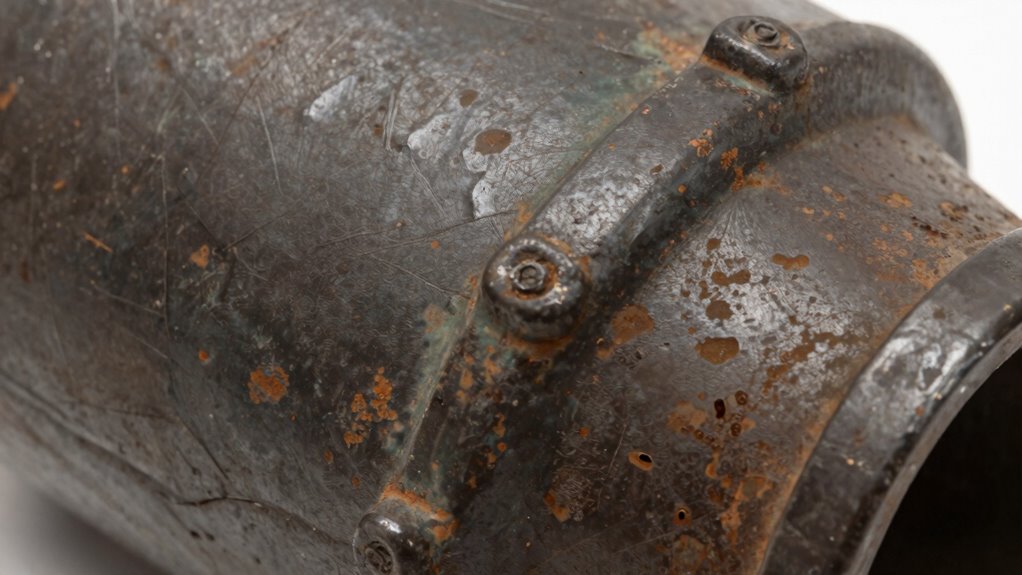
Aging plastic props can make them look more authentic and worn, which is essential for realistic costumes, displays, or film sets. One of the most effective ways to achieve this is by applying vintage finishes that mimic the look of aged metal. These finishes add depth and character, making your props seem like they’ve endured years of exposure and use. To do this successfully, you need to focus on creating surface textures that resemble the natural wear patterns seen on real antique metals.
Start by preparing your plastic surface. Clean it thoroughly to remove any dust, grease, or fingerprints. Lightly sanding the surface with fine-grit sandpaper can help the paint or finishes adhere better and create a slightly rough texture that enhances aging effects. Once prepped, you can apply a base coat of primer that’s suitable for plastics. This layer will ensure the subsequent finishes stick well and provide a uniform base for your vintage look.
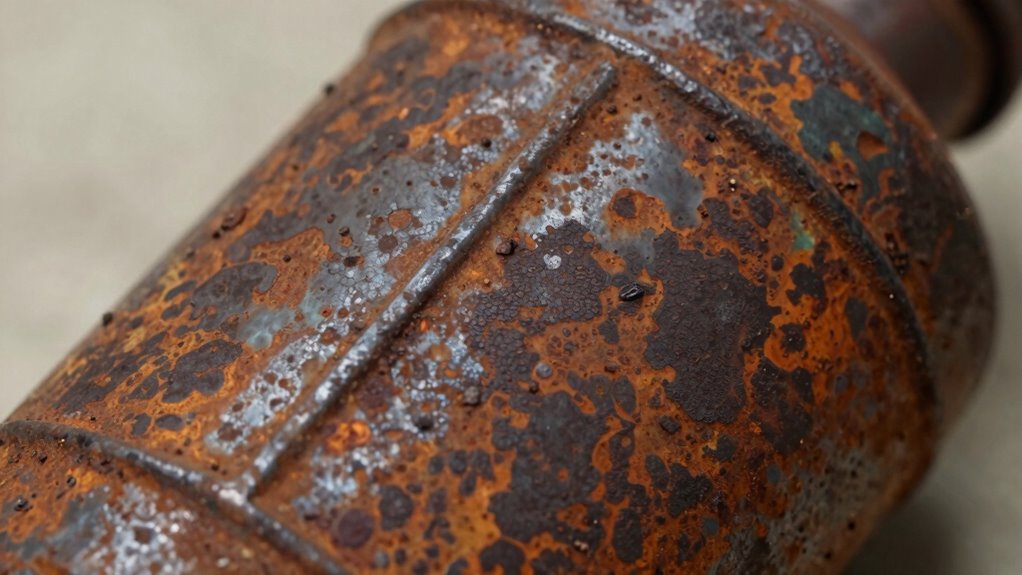
Next, choose a paint or stain that can be manipulated to develop a distressed, aged appearance. Darker shades like burnt umber, black, or deep gray work well for creating the illusion of patina and corrosion. Use a sponge or rag to dab on these colors unevenly, focusing more on edges, crevices, and areas that would naturally accumulate dirt and grime. This uneven application begins to build surface textures that resemble the tarnished or oxidized areas of vintage metal.
To enhance the surface textures further, consider dry brushing metallic paints over the darker base layers. Use a small brush with very little paint to lightly highlight raised areas, mimicking the way metal naturally wears down over time. You can also add small patches of simulated rust or verdigris using specialized paints or even acrylics mixed with textured mediums. These details deepen the vintage finish and add realism.
A helpful technique is to incorporate oxidation effects to make the finish more convincing, as this process naturally occurs on aged metals and can be simulated with certain paints and application methods. Experimenting with different application tools and techniques can help you achieve more authentic surface textures, making the aging process more realistic. Understanding metal corrosion can guide your choices of colors and application methods to enhance authenticity. Additionally, studying how weathering affects real metals can provide valuable insights into creating more convincing finishes. Incorporating layering techniques can also help build depth and complexity in your aged finish, making it appear more natural. Finally, seal your work with a matte or satin varnish that prevents chipping and preserves the aged look. This protective layer also helps to unify the surface textures, making the prop seem naturally weathered rather than artificially painted. With patience and attention to detail, your plastic props will develop authentic vintage finishes and surface textures that convincingly resemble antique metal, bringing your project to life with realism.
As an affiliate, we earn on qualifying purchases.
Frequently Asked Questions
How Long Does the Aging Process Typically Take?
The aging process usually takes anywhere from a few hours to several days, depending on the method you choose. Environmental factors like humidity, temperature, and exposure to chemicals influence the speed of chemical reactions that create a weathered, antique metal appearance. If you want quicker results, applying a chemical patina accelerates reactions. For a more natural look, let the environment do its work over time, checking periodically to achieve your desired effect.
Can I Use Household Items for Aging Plastic?
Absolutely, you can use household items for DIY techniques and paint effects to age plastic props. Items like vinegar, baking soda, and even coffee can create natural weathering effects. For example, applying a vinegar wash or a baking soda paste can add corrosion and grime, while coffee stains can give an aged patina. These simple household items help you achieve realistic antique metal looks using straightforward DIY techniques.
Will the Aging Method Damage the Plastic?
The aging method generally won’t damage the plastic if you follow proper techniques. For example, using a vinegar and salt solution causes controlled chemical reactions on the surface texture, creating an aged appearance without weakening the material. However, excessive exposure or harsh chemicals can cause the plastic to become brittle or crack. Always test on a small area first and avoid prolonged contact to protect your props.
How Do I Prevent Over-Oxidizing the Props?
To prevent over-oxidizing your props, apply a thin, even layer of a clear sealant or varnish after aging. This creates a vintage finish and protects the surface from further oxidation or damage. Use a soft brush or spray for precise application, and allow it to dry thoroughly. Regularly check the props during the process to guarantee you achieve the desired look without overdoing it, maintaining surface protection and authentic aging.
Is This Process Safe for Children or Pets?
Think of this aging process as a delicate dance on a tightrope—safety considerations are your safety net. Generally, the chemicals used are safe if applied carefully and in well-ventilated areas, but keep children and pets away during the process. Always consider environmental impact, choosing non-toxic, eco-friendly products when possible. Proper handling guarantees your creative project remains beautiful without compromising health or the planet.

Rust-Oleum Painter's Touch 2X Ultra Cover Spray Paint, Metallic Aluminum
- Suitable Surfaces: Interior and exterior surfaces including wood, plastic, and metal
- Durable Formula: Oil-based, chip-resistant, long-lasting protection
- Fast Drying: Dries in 20 minutes, covers 12 sq ft
As an affiliate, we earn on qualifying purchases.
As an affiliate, we earn on qualifying purchases.
Conclusion
So, next time you’re aiming for that authentic antique metal look on your plastic props, remember that aging techniques like painting and weathering work wonders—just like seasoned artisans say, “It’s all in the details.” Curiously, some believe that applying a patina mimics natural oxidation, but science shows that controlled corrosion isn’t the only way. Whether you trust tradition or experiment with new methods, your props will surely achieve that convincing vintage charm.
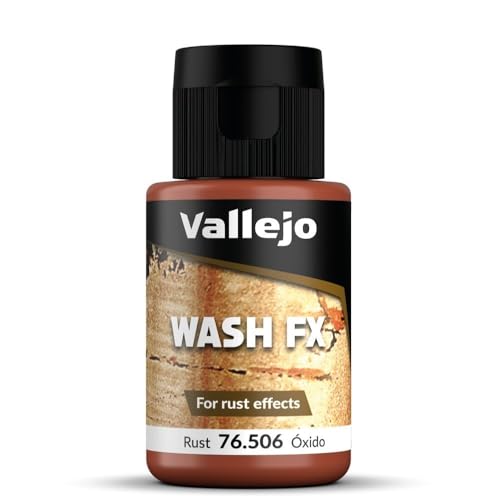
Vallejo – Wash FX | Rust 35 ml. (1.18 fl.oz.) | Designed for Rust Effects | Visual Realism for your Projects | Brush or Airbrush Use
- Water-based matte wash: Highlights details with a matte finish
- Versatile application: Use as spot wash or filter
- Ideal for rust and weathering: Perfect for rust, winter, and metal effects
As an affiliate, we earn on qualifying purchases.
As an affiliate, we earn on qualifying purchases.

AMACO Rub n Buff Wax Metallic Finish – 2 Rub n Buff Antique Gold 15ml Tubes – Versatile Gilding Wax for Finishing Furniture Antiquing and Restoration – Rub and Buff Colors Set of Two
- Coverage per Tube: Covers up to 20 sq feet
- Easy to Apply: Simple with finger or cloth
- Adjustable Shine: Control luster with buffing
As an affiliate, we earn on qualifying purchases.
As an affiliate, we earn on qualifying purchases.
Back to school Picks
back to school
As an affiliate, we earn on qualifying purchases.