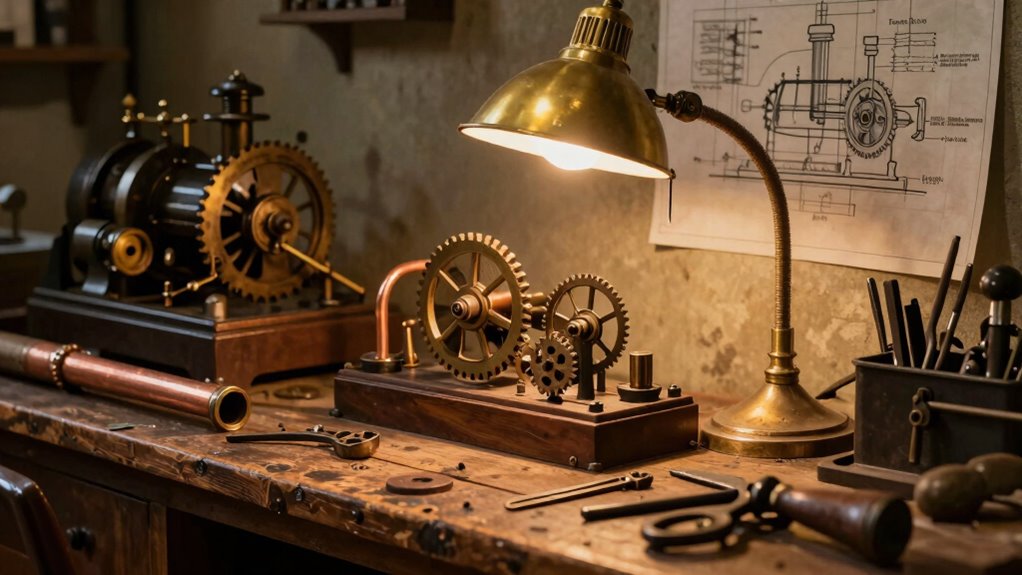
Victorian invention culture inspires you with its focus on curiosity, resilience, and practical problem-solving. During that era, inventors pushed boundaries through innovation, sharing ideas openly and encouraging collaboration, which fueled progress. Today’s makerspaces and DIY communities mirror this spirit, making invention accessible to everyone. Their relentless drive to improve daily life reminds you that innovation is a continuous cycle. Keep exploring, and you’ll discover how this historic approach still underpins the creativity and experimentation shaping modern innovation.

Get art and craft supplies delivered free — and shop member deals
- Fast, free delivery on millions of items
- Access to Prime Big Deal Days deals on October 6–7
- Prime Video, Amazon Music and more included
Key Takeaways
- Victorian innovation fostered a culture of curiosity and experimentation that continues to motivate modern makers.
- The era’s collaborative efforts and patent system encourage sharing and improving ideas today.
- Focus on practical problem-solving by Victorian inventors inspires contemporary solutions to real-world challenges.
- Democratization of invention in the Victorian era empowers individual inventors, influencing DIY and open-source movements.
- The relentless pursuit of progress and resilience from Victorian inventors serve as a lasting inspiration for modern innovation.
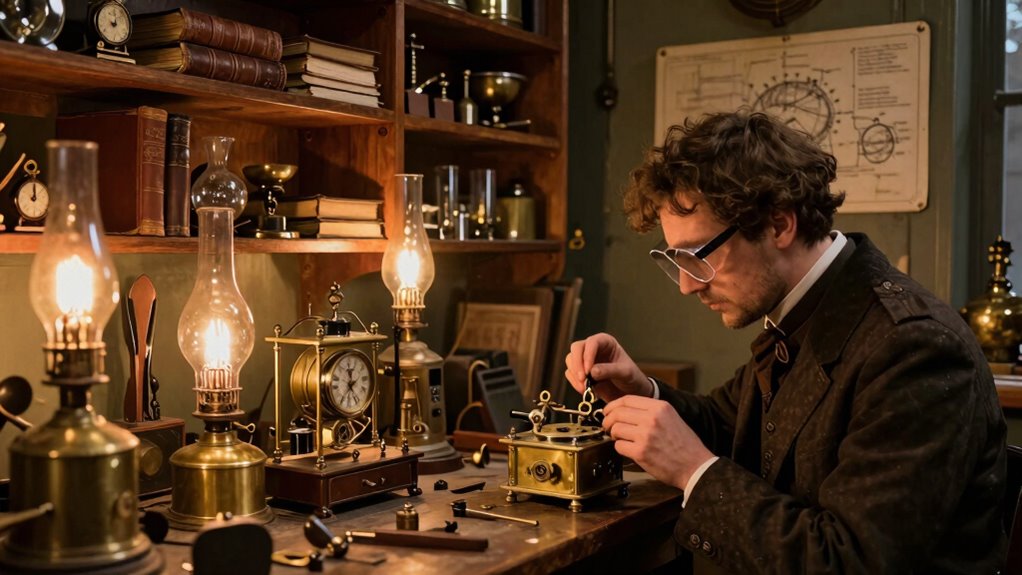
Have you ever wondered what drove the relentless spirit of innovation during the Victorian era? The answer lies in a unique culture of invention that thrived on industrial innovation and a rapid proliferation of patents. During this period, inventors and entrepreneurs pushed boundaries, transforming society with new machines, processes, and ideas. This era was characterized by a relentless pursuit of progress, where the desire to improve daily life fueled countless breakthroughs. You can see this spirit today in modern makerspaces and DIY communities, where creativity and technological curiosity continue to thrive.
Victorian innovation fueled progress, inspiring today’s makerspaces and DIY communities through curiosity, invention, and relentless pursuit of improvement.
Back then, industrial innovation wasn’t just about individual inventions; it was a collective effort that spurred economic growth and societal change. Inventors weren’t afraid to challenge conventions, often building on each other’s ideas to create more efficient machinery, transportation, and manufacturing processes. The Victorian era saw an explosion of patent filings—thousands of new patents were registered, reflecting a culture that encouraged inventive risk-taking. This patent proliferation created a fertile environment for innovation, where ideas could be protected, shared, and improved upon. For you, as a modern maker, this culture demonstrates the importance of intellectual property rights in fostering creativity and encouraging experimentation.
The Victorian approach to invention was also deeply practical. Inventors aimed to solve real-world problems, making everyday life easier and more productive. This pragmatic mindset still influences modern innovation, inspiring you to develop solutions that address tangible needs. The era’s emphasis on industrial innovation also led to the rise of workshops and laboratories, places where experimentation was valued and failures were seen as stepping stones. Today’s makerspaces echo this, providing accessible tools and resources for anyone eager to tinker, build, and invent. Additionally, the era’s patent culture encouraged a competitive environment that spurred continuous improvement and diversification of ideas.
The legacy of Victorian invention culture is evident in how it democratized the process of innovation. It encouraged not just the elite or industrial giants but also individual inventors and small entrepreneurs. This spirit of accessible invention is at the heart of modern DIY movements and open-source projects. When you look back at how Victorian inventors thrived amid patent proliferation and industrial innovation, you realize that their drive continues to inspire your own creative pursuits. Their relentless curiosity and willingness to challenge the status quo remind you that innovation isn’t limited by time—it’s a continuous cycle fueled by the same curiosity, resilience, and desire to improve that defined the Victorian era.
As an affiliate, we earn on qualifying purchases.
Frequently Asked Questions
How Did Victorian Invention Culture Influence Today’s DIY Movement?
Victorian invention culture influences your DIY movement through innovative collaboration and patent strategies. Back then, inventors shared ideas openly, fostering creativity, which you now emulate in maker communities. They also used patent strategies to protect their inventions, inspiring modern makers to balance sharing knowledge with safeguarding their work. This legacy encourages you to innovate freely while understanding the importance of intellectual property, fueling your passion for creating and problem-solving.
What Victorian Inventions Are Still Relevant in Modern Technology?
You might think of the telephone, inspired by Victorian innovation, as still relevant today. Modern technology builds on Victorian pioneering with innovative materials and improved patent processes, shaping how inventions evolve. For example, today’s smartphones incorporate durable, lightweight materials and complex patent protections, echoing Victorian practices. These advancements continue to influence modern invention, ensuring that ideas are protected and improved, just like Victorian inventors changed the world with their groundbreaking innovations.
How Did Victorian Inventors Share Their Ideas and Innovations?
You learn that Victorian inventors shared their ideas through patent processes, securing legal rights and encouraging innovation. They also benefited from invention mentorship, where experienced inventors guided newcomers, fostering collaboration. By filing patents and mentoring each other, Victorian inventors created a vibrant culture of sharing and improvement. This openness inspired modern makers to continue innovating, emphasizing the importance of protecting ideas and supporting each other’s creative efforts.
What Role Did Victorian Societal Values Play in Invention Development?
You might not realize it, but Victorian societal values greatly fueled innovation, shaping a culture obsessed with progress. This era’s belief in progress and ingenuity pushed inventors to develop groundbreaking ideas, aiming to elevate society. Victorian innovation was driven by a desire to improve daily life and showcase national strength. If you look closely, you’ll see how these values still influence modern makers, inspiring them to pursue progress and push boundaries today.
Are There Modern Equivalents to Victorian Invention Salons or Clubs?
Yes, modern equivalents like maker spaces, innovation hubs, and online communities serve as venues for innovator networking and patent collaborations. You can connect with other creators, share ideas, and develop projects together much like Victorian salons. These platforms foster collaboration, spark creativity, and accelerate invention, mirroring Victorian culture’s spirit of communal innovation. Engaging in these spaces can help you stay inspired and bring your ideas to life through collective effort.
As an affiliate, we earn on qualifying purchases.
Conclusion
You can see how Victorian invention culture, with its relentless curiosity and DIY spirit, still fuels modern makers today—think of it as the original 3D printing. By embracing experimentation and pushing boundaries like those inventors of the past, you’re part of a legacy that’s as timeless as a Victorian steam engine. Keep innovating, because the future belongs to those who dare to create, even if it means occasionally bringing a little 19th-century steampunk flair into the 21st century.
As an affiliate, we earn on qualifying purchases.
As an affiliate, we earn on qualifying purchases.
Fall Picks
fall essentials
As an affiliate, we earn on qualifying purchases.