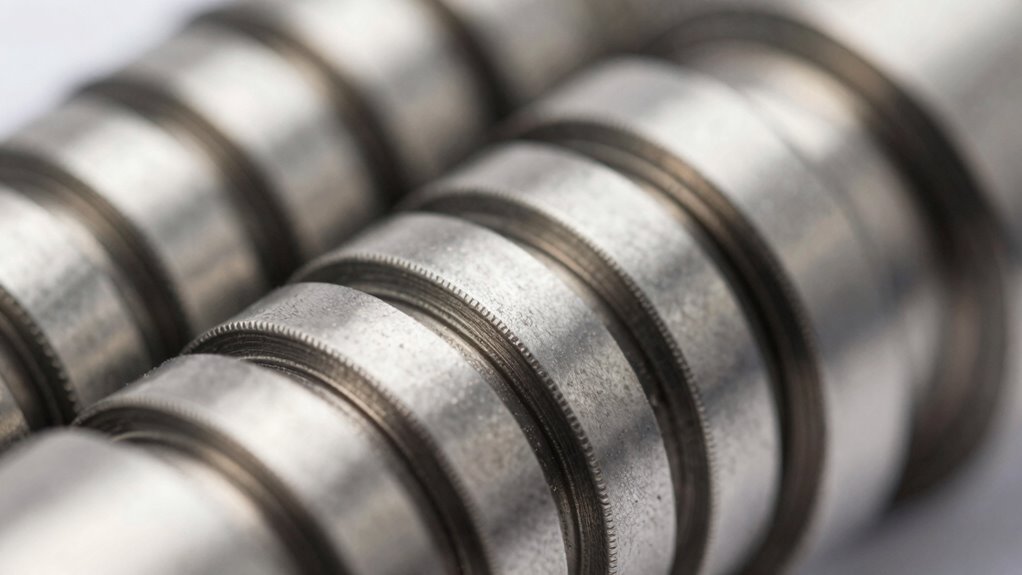

The mechanics behind telescoping props and tubes rely on smart material choices like high-strength steel, aluminum, or reinforced composites, which balance durability and weight. Precise manufacturing, including extrusion and surface treatments, guarantees tight fits and smooth operation. These factors work together to resist environmental damage, stress, and wear, maintaining safety and longevity. If you keep exploring, you’ll discover how these elements combine to create reliable support systems that withstand years of demanding use.

Get art and craft supplies delivered free with Prime
- Fast, free delivery on millions of items
- Prime Video, Amazon Music and more included
- Member-only deals all year
Key Takeaways
- Material properties like strength, corrosion resistance, and weight influence the durability and performance of telescoping props and tubes.
- Manufacturing processes such as extrusion and heat treatment ensure precise dimensions and structural integrity.
- Tighter tolerances and surface finishing improve fit, reduce wobble, and enhance operational smoothness.
- Surface treatments like galvanization or anodizing enhance resistance to environmental factors and extend lifespan.
- Proper combination of materials and manufacturing techniques ensures safe, reliable, and long-lasting telescoping components.
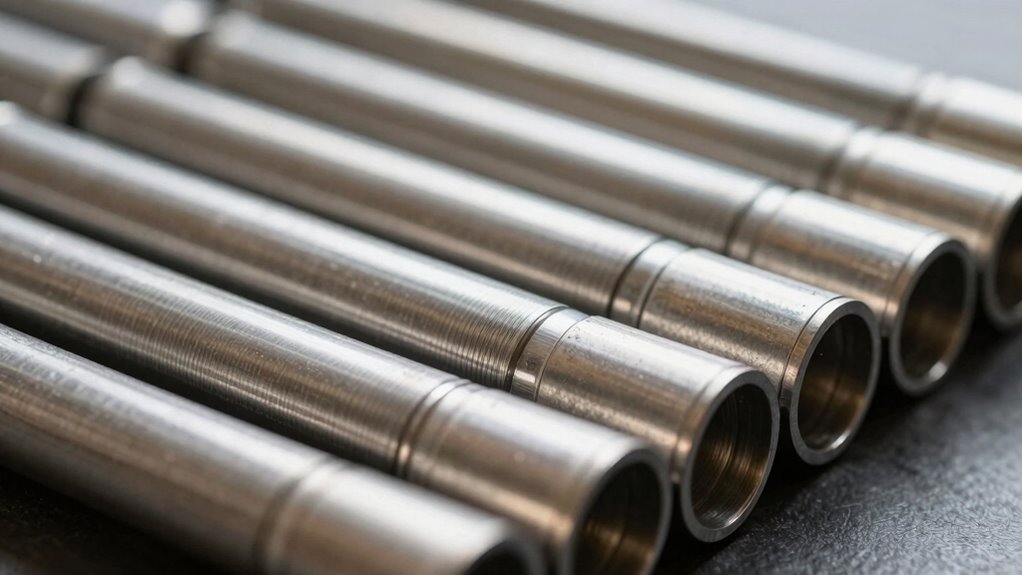
Material durability is critical because these components face significant stress and wear during use. The best telescoping props are typically made from high-strength steel, aluminum, or sometimes reinforced composites. Steel offers exceptional strength and resistance to deformation, making it ideal for heavy-duty applications. Aluminum, on the other hand, provides a lighter alternative with excellent corrosion resistance, especially when treated with protective coatings. Reinforced composites combine lightweight properties with high tensile strength, suitable for specialized uses. The choice of material directly impacts how long your telescoping props last, how well they resist bending or breaking under load, and their ability to withstand environmental factors like moisture or extreme temperatures. High-quality materials guarantee that you don’t compromise safety or structural integrity over time.
The manufacturing processes behind telescoping props and tubes also play a crucial role in their performance. These components are usually produced through a series of precise metalworking techniques. For steel props, processes like cold drawing or hot rolling are common, which refine the material’s strength and achieve tight dimensional tolerances. After shaping, components undergo heat treatment—such as quenching and tempering—to enhance toughness and durability. Aluminum tubes often go through extrusion, where heated aluminum is forced through a die to create uniform cross-sections, ensuring consistent wall thickness and smooth surfaces. Surface finishing processes, such as galvanization or anodizing, are applied to improve corrosion resistance and extend the lifespan of the props. Tolerances and fit are meticulously controlled to ensure smooth telescoping action without play or wobble, which is essential for safety during use. Understanding the material properties helps in selecting the most suitable prop for specific applications and environmental conditions. Additionally, advancements in manufacturing techniques continue to enhance the overall performance and safety of these components. Proper quality control during manufacturing is vital to prevent defects that could compromise structural integrity. Incorporating precision manufacturing techniques further ensures tighter fits and more reliable operation, especially in demanding environments. Moreover, innovations in manufacturing are constantly improving the manufacturing precision, leading to better fitting components and smoother operation.
The combination of carefully selected materials and advanced manufacturing techniques ensures that telescoping props and tubes perform reliably, even under dynamic loads. Their strength, resilience, and precise movement are rooted in these fundamental aspects. When you choose a product made through robust manufacturing processes with durable materials, you’re investing in equipment that will stand the test of time, providing consistent support for your projects. Whether you’re supporting heavy forms or adjusting heights frequently, understanding these mechanics helps you appreciate the engineering behind these versatile tools, ensuring you select the right ones for your specific needs.
As an affiliate, we earn on qualifying purchases.
Frequently Asked Questions
How Do Telescoping Props Prevent Accidental Extension During Use?
Telescoping props prevent accidental extension by using locking mechanisms and extension locks. When you adjust the prop, these locks engage, securing the sections firmly in place. You need to intentionally release or disengage them to extend or collapse the tube. This safety feature guarantees the prop stays at your desired length during use, providing stability and preventing unexpected movements that could cause accidents or damage.
What Materials Are Commonly Used for Lightweight Telescoping Tubes?
Imagine a feather’s strength—lightweight telescoping tubes often use aluminum or carbon fiber, combining durability with minimal weight. Aluminum is popular because of its excellent manufacturing process, allowing precise, lightweight, and corrosion-resistant tubes. Carbon fiber, though pricier, offers superior strength-to-weight ratio, perfect for aerospace and stage props. These materials balance durability and weight, ensuring your telescoping props are strong enough to handle stress while remaining easy to handle.
How Is Stability Maintained in Long Telescoping Tubes?
You maintain stability in long telescoping tubes by ensuring strong structural integrity and proper load distribution. Reinforcing the tubes with sturdy materials prevents bending or buckling under stress. Using precise locking mechanisms keeps sections securely extended, while evenly distributing the load prevents uneven pressure that could cause collapse. Regularly inspecting for wear and ensuring tight fittings help maintain overall stability, allowing the telescoping tube to perform reliably during use.
What Are the Safety Considerations When Adjusting Telescoping Props?
Think of adjusting telescoping props like handling a fragile treasure—you must be cautious. Always check the load capacity before making adjustments, ensuring it can support the weight. Use proper locking mechanisms and avoid overextending. In emergencies, quickly follow predetermined procedures to safely stabilize or lower the prop. Staying vigilant helps prevent accidents, ensuring both your safety and the stability of the structure you’re working on.
How Do Telescoping Mechanisms Differ Between Industrial and Consumer Models?
You’ll notice industrial telescoping props typically use more durable materials like high-grade steel for strength and longevity, while consumer models might use lighter materials like aluminum. The key difference lies in extension locking mechanisms—industrial models often feature more robust locking systems to handle heavier loads and frequent adjustments, ensuring safety and stability. So, material durability and reliable extension locking are essential to match the specific demands of each application.
high strength steel telescoping tubes
As an affiliate, we earn on qualifying purchases.
As an affiliate, we earn on qualifying purchases.
Conclusion
Understanding how telescoping props and tubes work helps you choose the right support for any project. For instance, imagine stabilizing a temporary stage; adjusting the length guarantees safety and stability. By mastering their mechanics, you can confidently set up and dismantle structures, saving time and preventing accidents. Remember, proper use of telescoping systems isn’t just about convenience—it’s about ensuring safety and efficiency every step of the way.
As an affiliate, we earn on qualifying purchases.
reinforced composite telescoping supports
As an affiliate, we earn on qualifying purchases.
As an affiliate, we earn on qualifying purchases.
Halloween Picks
halloween
As an affiliate, we earn on qualifying purchases.