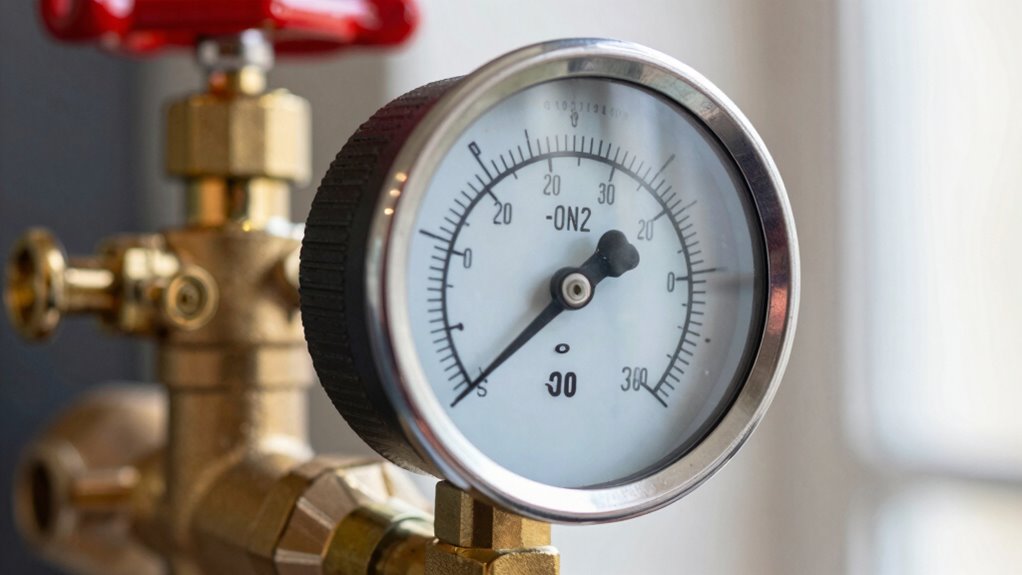

Pressure gauges and steam valves use the physical properties of materials that withstand harsh conditions like high temperatures, corrosion, and mechanical stress. They rely on precise calibration to guarantee accurate readings, which depends on selecting durable parts like Bourdon tubes and seals. The materials’ thermal expansion, toughness, and compatibility prevent failures and maintain system safety. To explore how these factors work together to keep your system reliable, continue exploring this fascinating science.

Get art and craft supplies delivered free with Prime
- Fast, free delivery on millions of items
- Prime Video, Amazon Music and more included
- Member-only deals all year
Key Takeaways
- Pressure gauges measure system pressure by translating mechanical deformation of sensing elements like Bourdon tubes into readable values.
- Material durability ensures gauges withstand high temperatures, corrosion, and mechanical stress in steam and industrial environments.
- Accurate calibration of pressure gauges is essential for precise safety and efficiency in steam valve control systems.
- Material properties of internal components influence the longevity, reliability, and resistance to thermal cycling of pressure gauges and valves.
- Proper material selection and design prevent failures, maintain calibration stability, and extend the lifespan of pressure measurement devices.
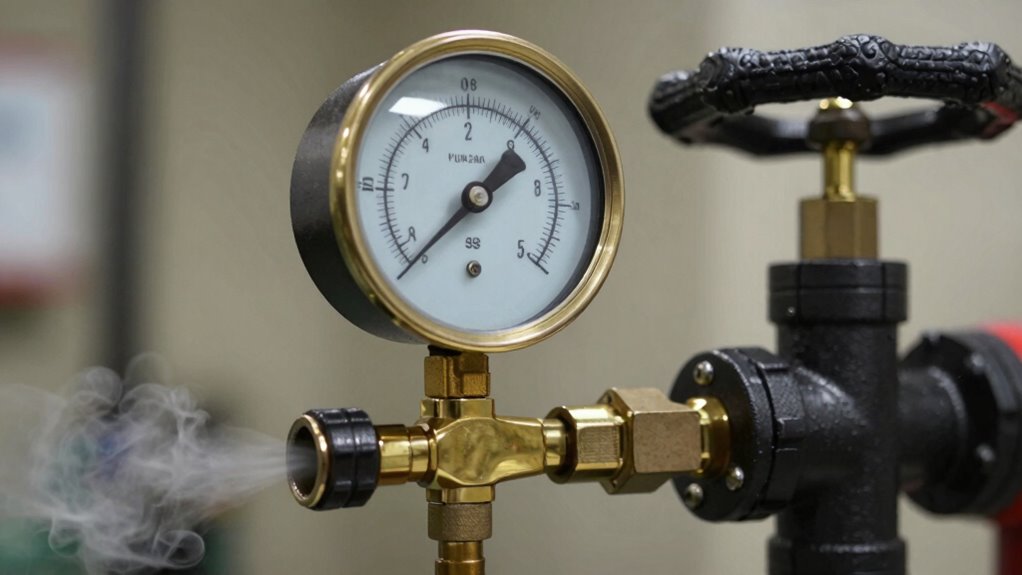
Pressure gauges and steam valves are essential components in managing and monitoring the flow of steam and other fluids in industrial systems. These devices must withstand harsh conditions, making material durability a critical factor in their design and longevity. When selecting pressure gauges or steam valves, you want to ensure that the materials used can resist corrosion, high temperatures, and mechanical stress over time. Common materials like stainless steel or brass are chosen for their robustness, helping these instruments maintain their integrity and performance even after prolonged exposure to demanding environments. Material durability isn’t just about resisting wear; it directly influences the accuracy and reliability of your readings. If the materials degrade or corrode, the gauge’s readings could drift, leading to unsafe conditions or inefficient operation. Additionally, understanding the material properties helps in selecting the most suitable components for specific operating conditions. Calibration accuracy is equally crucial. Every pressure gauge or steam valve must be precisely calibrated to ensure the readings reflect actual conditions. An inaccurately calibrated gauge can cause overpressure or underpressure situations, risking equipment damage or safety hazards. That’s why periodic calibration checks are necessary. When you work with these instruments, you want to trust that their measurements are exact, especially since small errors can have significant consequences in high-pressure systems. Proper calibration ensures that the device responds correctly to pressure changes and provides consistent readings over time. This accuracy is fundamental to maintaining safe operating conditions and optimizing system performance.
Understanding how these devices work helps you appreciate the importance of material selection and calibration. For example, the sensing element inside a pressure gauge—often a Bourdon tube—must be made from materials that don’t deform or fatigue easily, maintaining their shape and properties under repeated use. Similarly, steam valves rely on seals and internal components that must endure thermal cycling without losing sealing effectiveness or becoming brittle. When these parts are built with durable materials, their calibration stays stable longer, reducing maintenance and downtime. Moreover, selecting materials with appropriate thermal properties is vital for ensuring performance in high-temperature environments, which is a key consideration in steam systems. An awareness of material compatibility can help prevent failures caused by incompatible substances or conditions within the system. Recognizing the importance of material toughness can further enhance the longevity of these components and prevent unexpected failures. Additionally, selecting materials with suitable thermal expansion characteristics can help maintain sealing integrity under temperature fluctuations, further improving system reliability.
In essence, the science behind pressure gauges and steam valves hinges on choosing the right materials and ensuring accurate calibration. These aspects work hand-in-hand to guarantee your system’s safety, reliability, and efficiency. When you prioritize material durability, you extend the lifespan of your instruments, and by maintaining calibration accuracy, you keep your operations running smoothly and safely. This combination allows you to monitor and control steam and fluid flow precisely, avoiding costly errors and ensuring your industrial processes operate at peak performance.
pressure gauge with stainless steel Bourdon tube
As an affiliate, we earn on qualifying purchases.
As an affiliate, we earn on qualifying purchases.
Frequently Asked Questions
How Often Should Pressure Gauges Be Calibrated?
You should calibrate pressure gauges regularly, typically annually, but this depends on your maintenance schedules and how critical accurate readings are to your operations. Frequent calibration ensures safety and precision, especially in high-pressure systems. Always follow manufacturer recommendations and industry standards. If your gauges experience frequent use or harsh conditions, consider more frequent calibrations. Proper calibration helps prevent failures and maintains reliable system performance.
What Are Common Signs of Pressure Gauge Failure?
You’ll notice pressure gauge malfunctions if the needle sticks, fluctuates unexpectedly, or shows inconsistent readings—these are signs of failure. Ignoring these issues can lead to inaccurate measurements, risking safety and equipment damage. That’s why calibration importance is key; regular calibration helps catch potential problems early, ensuring your pressure gauge functions correctly. If you see signs of malfunction, replace or service the gauge promptly to maintain reliable pressure monitoring.
Are There Safety Standards for Steam Valve Installation?
Yes, safety standards govern steam valve installation, but missing critical details can pose risks. You must carefully select valve materials suited for high-pressure environments and follow precise installation procedures to prevent accidents. Ignoring these standards can lead to catastrophic failures. Always guarantee compliance with local regulations and industry best practices, as improper installation not only endangers equipment but also jeopardizes your safety. Don’t compromise—safety depends on meticulous adherence.
How Do Environmental Factors Affect Pressure Gauge Accuracy?
Environmental interference can profoundly impact your pressure gauge’s accuracy by exposing it to temperature fluctuations, vibrations, or humidity, which cause calibration challenges. These factors can lead to erroneous readings, so you need to protect your gauge from harsh conditions and regularly calibrate it to guarantee reliable measurements. By understanding how environmental factors influence your equipment, you can maintain precise pressure control and avoid potential safety hazards.
Can Pressure Gauges Measure Other Fluids Besides Steam?
Absolutely, pressure gauges can measure fluids beyond steam—it’s like having a universal translator for pressure! You just need to guarantee fluid compatibility and choose the right type of gauge or alternative measuring methods. Whether it’s liquids like water, oil, or chemicals, these gauges adapt to various substances, making them versatile tools. So, don’t worry—your pressure measuring arsenal is more flexible than you ever imagined!
As an affiliate, we earn on qualifying purchases.
Conclusion
Understanding pressure gauges and steam valves reveals a fascinating blend of precision and power. While these devices are delicate enough to measure subtle changes, they also control vast amounts of energy, ensuring safety and efficiency. It’s this contrast—delicate instruments managing mighty forces—that underscores their importance. By mastering their science, you appreciate not just the technology, but the harmony between control and strength that keeps industrial processes running smoothly.
industrial pressure calibration kit
As an affiliate, we earn on qualifying purchases.
As an affiliate, we earn on qualifying purchases.
corrosion resistant pressure gauge
As an affiliate, we earn on qualifying purchases.
As an affiliate, we earn on qualifying purchases.
Fall Picks
fall essentials
As an affiliate, we earn on qualifying purchases.