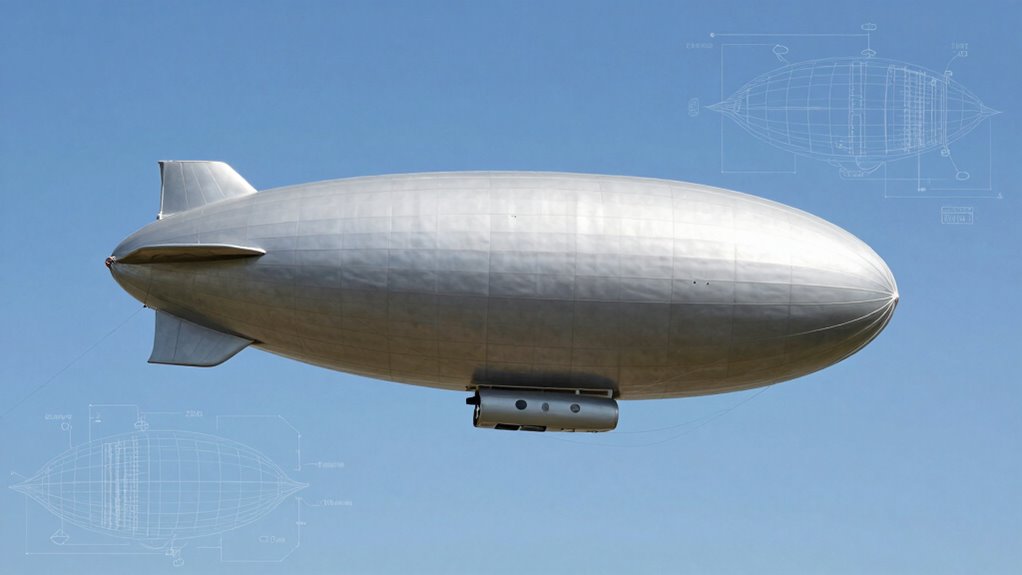

In fiction, airships often look ornate, with brass fittings, gears, and mysterious energy sources that defy physics, creating a sense of wonder and adventure. In real engineering, airships are designed for safety and efficiency, using streamlined shapes and proven propulsion systems like helium, hydrogen, and engines. While fiction emphasizes style and imagination, actual airships focus on practical functionality. If you want to explore how these worlds contrast even further, keep exploring.

Get art and craft supplies delivered free with Prime
- Fast, free delivery on millions of items
- Prime Video, Amazon Music and more included
- Member-only deals all year
Key Takeaways
- Fictional airships often use mystical or imaginative energies, while real airships rely on buoyant gases like helium or hydrogen for lift.
- Artistic designs in fiction emphasize ornate details and vintage aesthetics, contrasting with streamlined, functional structures in reality.
- Fictional propulsion systems defy physics, using clockwork or mysterious powers, whereas real engines use internal combustion or electric motors.
- The focus in fiction is on visual storytelling and wonder, while real engineering prioritizes safety, efficiency, and durability.
- Both depict flight as a symbol of adventure, but fictional airships highlight style and fantasy, unlike the scientific accuracy of real ones.
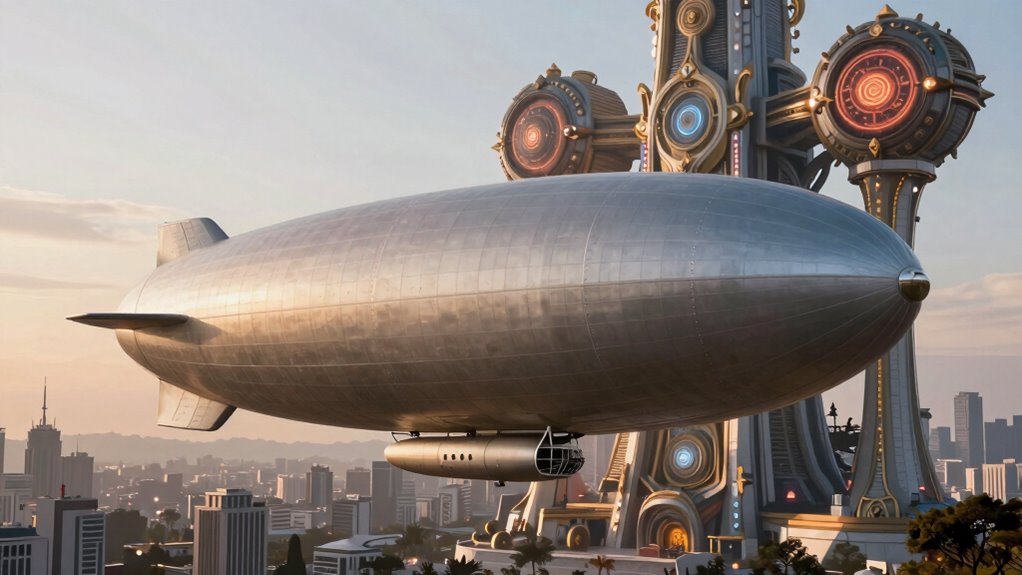
Airships have long captured our imagination, blending the allure of floating vessels with the promise of peaceful, scenic travel. In fiction, they often embody a unique blend of aesthetics and technology, especially within the steampunk genre. You might picture brass fittings, ornate detailing, and a vintage charm that evokes a bygone era. These ships seem almost alive with character, their appearance emphasizing style over strict scientific accuracy. Fictional propulsion systems, in many stories, are equally imaginative—steam engines, clockwork mechanisms, or mysterious, unexplained energies that make these airships glide gracefully through the skies. The focus is often on creating a captivating visual and narrative experience, rather than strict adherence to real-world physics.
Fictional airships blend vintage charm with imaginative energies, focusing on style and storytelling over real-world physics.
In reality, airship technology relies on well-understood scientific principles. You know that these vessels use buoyant gases—like helium or historically, hydrogen—to lift off the ground. The shape of the airship’s hull is designed to optimize aerodynamics and maximize lift, with engines providing directional control and propulsion. Modern airships depend on internal combustion engines or electric motors, which turn propellers that push or pull the craft through the air. Unlike their fictional counterparts, real engineering prioritizes safety, efficiency, and practicality. The materials used are lightweight but durable, often reinforced fabrics and metals that withstand weather and stress. The propulsion systems are straightforward, relying on proven technology rather than fictional energy sources or mystical powers. Additionally, advancements in aerodynamic design continue to improve the performance and safety of modern airships. Incorporating modern materials science has further enhanced their durability and operational capabilities. Understanding the scientific principles behind buoyancy and propulsion helps explain how these vessels truly stay aloft.
The contrast between fiction and real engineering becomes even more apparent when you consider the aesthetics. Steampunk aesthetics and fictional propulsion often serve to evoke a sense of wonder and nostalgia, emphasizing style and storytelling over technical feasibility. You see intricate gears, polished brass, and retro-futuristic designs that make these airships iconic in steampunk worlds. Meanwhile, real airships focus on functionality—compact engines, streamlined shapes, and safety features. The fictional propulsion systems often defy the laws of physics, harnessing mysterious energies or steam power that’s more about visual flair than scientific accuracy.
Despite these differences, both fictional and real airships share a common goal: transporting people through the skies. Fiction elevates the adventure with fantastical designs and imaginative technologies, while real engineering works within the bounds of science to ensure safe, reliable flight. Whether you’re dreaming of soaring through a steampunk city or appreciating the engineering marvels that keep airships aloft today, both worlds reflect humanity’s enduring fascination with flight and exploration.
As an affiliate, we earn on qualifying purchases.
Frequently Asked Questions
Are There Any Real-World Airships Still in Use Today?
Yes, there are still real-world airships in use today, primarily for advertising, tourism, and observation. You might see historical references to their golden age, like the Zeppelin era, which shaped cultural representations of airships as majestic and innovative. Modern designs focus on safety and efficiency, keeping the spirit of those early images alive while adapting to today’s technological standards. These airships continue to fascinate and serve niche roles worldwide.
How Do Fictional Airships Achieve Faster-Than-Real-World Speeds?
Imagine your airship dreams soaring beyond reality’s limits, driven by steampunk aesthetics and propulsion innovations. Fictional airships achieve faster-than-real-world speeds through advanced engines, like turbocharged propellers or anti-gravity tech, blending vintage charm with futuristic power. These innovations symbolize mankind’s desire to push boundaries, transforming traditional airships into swift, majestic vessels. You see, in fiction, imagination fuels speed, turning nostalgic design into symbols of technological triumph and limitless adventure.
What Materials Are Typically Used in Fictional Airship Hulls?
In fictional airships, hulls are often made from advanced metal alloys or composite materials, giving them a sleek, durable appearance. You might see descriptions of lightweight titanium blends or futuristic composites that combine strength with flexibility. These materials allow for larger, more elaborate designs and higher speeds, all while maintaining structural integrity. Such imaginative choices help create a sense of technological wonder and make your stories more immersive.
Do Fictional Airships Have Advanced Navigation Systems Not Possible in Reality?
Fictional airships often feature advanced navigation systems that surpass real-world technological limitations. You might see them equipped with magical compasses, AI-driven controls, or teleportation-like guidance, making navigation effortless and precise. These imaginative enhancements address the constraints faced by actual engineering, allowing writers to create more adventurous stories. As a result, you get a sense of limitless exploration, even though such fictional navigation systems aren’t feasible with current technology.
Can Fictional Designs Withstand Extreme Weather Conditions?
They can, but it’s a tall order. Like the saying “hope for the best, prepare for the worst,” your fictional airships often sport steampunk aesthetics and futuristic propulsion to withstand extreme weather. Writers push boundaries, imagining reinforced hulls and advanced materials that resist storms and turbulence. While real engineering struggles with such feats, your designs give a thrilling sense of resilience, making them believable in the adventurous worlds you create.
As an affiliate, we earn on qualifying purchases.
Conclusion
In fiction, airships soar like floating castles, guided by dreams and whimsy, their engines whispering promises of adventure. In reality, they’re more like gentle giants, steady and deliberate, riding the wind’s quiet breath. Understanding the true engineering behind them reveals a delicate dance of science and art—like a finely tuned orchestra—where each part plays an essential role. Whether in stories or the sky, airships remind us that imagination and ingenuity can lift us to new heights.
As an affiliate, we earn on qualifying purchases.
As an affiliate, we earn on qualifying purchases.
Halloween Picks
halloween
As an affiliate, we earn on qualifying purchases.