Steampunk often reflects colonial attitudes by romanticizing empire-building and using cultural symbols superficially, which can reinforce stereotypes and ignore marginalized histories. If you’re exploring this genre, it’s important to recognize when cultural elements are used respectfully or as mere aesthetic props. By understanding these nuances, you can better appreciate how steampunk might unintentionally perpetuate colonial views. Continuing your exploration will reveal how creators can thoughtfully address these issues and promote cultural sensitivity.
Key Takeaways
- Steampunk often reflects colonial attitudes, romanticizing empire-building while risking cultural misrepresentation and stereotypes.
- Postcolonial critique urges creators to question whether cultural elements honor or misappropriate marginalized communities.
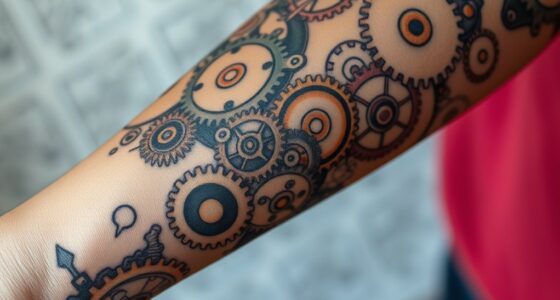
- Cultural appropriation in steampunk manifests through superficial use of motifs like jewelry, clothing, or symbols without understanding their significance.
- Visual elements should be integrated thoughtfully to avoid reducing cultures to exotic props or stereotypes.
- Both creators and consumers bear responsibility for promoting respectful, authentic representations that acknowledge historical and cultural contexts.

Have you ever wondered how the steampunk genre reflects historical attitudes toward colonialism? As you explore steampunk worlds, it’s essential to consider how they often mirror past colonial dynamics, whether intentionally or through cultural missteps. A postcolonial critique helps you recognize how these stories sometimes romanticize or gloss over the darker aspects of empire-building, such as exploitation and cultural suppression. When authors or creators incorporate elements from colonized cultures without fully understanding their significance, it can lead to cultural appropriation—using symbols, clothing, or traditions out of context or with little respect for their origins. This can perpetuate stereotypes or diminish the richness of those cultures, turning them into mere aesthetic choices rather than meaningful representations.
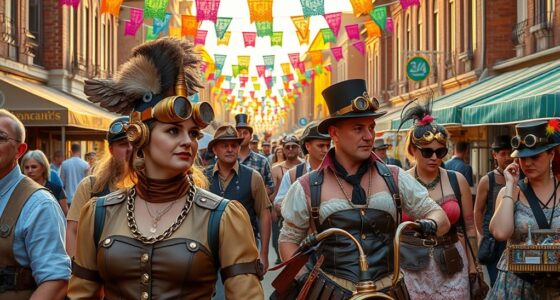
In many steampunk narratives, you might notice the borrowing of motifs from non-Western cultures—ornate jewelry, traditional garments, or mythological symbols. While this can add visual interest or exotic flavor, it’s vital to ask whether such elements are being used thoughtfully or simply to evoke a sense of “the other.” If the latter, it risks reducing complex cultures to superficial props that serve the Western gaze. Engaging in a postcolonial critique prompts you to question whether these portrayals acknowledge the histories and perspectives of the cultures involved or if they reinforce colonial stereotypes. Recognizing the importance of cultural context can help you discern respectful representation from cultural insensitivity.
Cultural appropriation in steampunk isn’t always malicious; sometimes, creators genuinely want to honor different traditions. However, without proper context or acknowledgment, it can come across as insensitivity or ignorance. As a consumer or creator, you have a responsibility to be aware of these issues. When enjoying steampunk stories, look for works that respect cultural origins, avoid stereotypes, and include authentic voices from marginalized communities. If you’re creating within the genre, endeavor to incorporate cultural elements respectfully—consult sources, collaborate with cultural experts, and avoid presenting borrowed symbols as mere decorative elements.

Dreuyet Gear Steampunk Earrings Necklace Jewelry Set Vintage Handmade Punk Clockwork Dangle Drop Earrings Clock Gear Antique Necklace for Women Men Halloween Accessories (Stud Set)
VINTAGE DESIGN: Handcrafted steampunk jewelry set featuring intricate clock gear motifs in antique finish, perfect for gothic and…
As an affiliate, we earn on qualifying purchases.
As an affiliate, we earn on qualifying purchases.
Frequently Asked Questions
How Can Steampunk Promote Cultural Appreciation Instead of Appropriation?
You can promote cultural appreciation in steampunk by engaging in respectful representation and fostering cultural exchange. Research authentic elements from diverse cultures, ensuring you honor their significance rather than just aesthetic. Collaborate with creators from those backgrounds, listen to their stories, and give credit where it’s due. By doing so, you transform steampunk into a platform that celebrates global influences, encouraging understanding and appreciation rather than appropriation.
What Are Examples of Inclusive Steampunk Storytelling?
You can create inclusive steampunk storytelling by emphasizing cultural representation and storytelling diversity. Feature characters from different backgrounds, cultures, and identities, showcasing their unique perspectives and histories. Incorporate authentic cultural elements respectfully, and collaborate with cultural consultants when needed. By doing so, you foster a richer, more diverse narrative that celebrates all voices, helping to build a steampunk world that’s more inclusive and respectful of varied cultural experiences.
How Do Steampunk Designers Address Cultural Sensitivity?
You’re right to wonder how steampunk designers tackle cultural sensitivity. They often prioritize cultural representation by consulting diverse voices and experts, ensuring authenticity concerns are addressed. This way, they avoid stereotypes and honor different traditions. Many also incorporate stories that celebrate rather than appropriate cultures, fostering respectful storytelling. By actively listening and researching, designers create inclusive, authentic steampunk worlds that respect cultural origins and promote understanding.
Can Steampunk Help Decolonize Historical Narratives?
Yes, steampunk can help decolonize historical narratives by encouraging a post-colonial critique and promoting diverse cultural representation. You can use steampunk to challenge traditional stories that often overlook marginalized voices, reimagining history with a focus on inclusivity. By integrating authentic cultural elements and questioning colonial perspectives, you empower communities to reclaim their histories and reshape narratives in a way that respects their identity and heritage.
What Role Does Community Feedback Play in Ethical Steampunk Creation?
Community feedback is crucial in ethical steampunk creation, acting as your compass amid creative exploration. By engaging in community consultation, you guarantee diverse voices influence your work, fostering ethical collaboration. This process helps you respect cultural sensitivities and avoid stereotypes, enriching your narrative with authenticity. Think of community input as the bridge that connects your imagination to real-world perspectives, making your steampunk art both innovative and socially responsible.
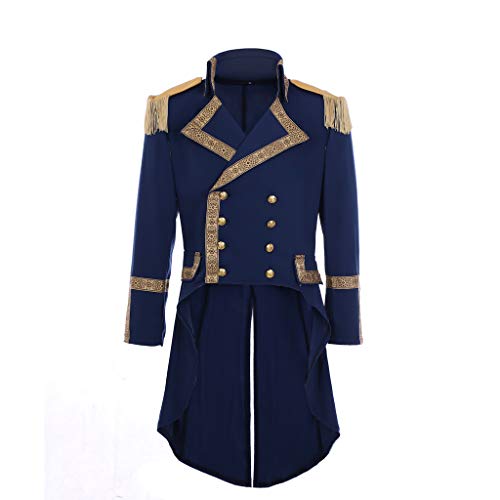
Men's Musical Hamilton Historical Colonial Costume Steampunk Tailcoat Jacket Gothic Victorian Frock Coat Uniform L
Include: jacket only.
As an affiliate, we earn on qualifying purchases.
As an affiliate, we earn on qualifying purchases.
Conclusion
As you step back from the glittering gears of steampunk, remember it’s a delicate dance on a tightrope stretched over a chasm of history. The Victorian allure hides shadows of colonialism, whispering stories of conquest underneath its brass and leather. By questioning these shiny facades, you become a lantern bearer in the dark, illuminating truths buried beneath. Embrace awareness like a compass, guiding you through this intricate maze, ensuring your journey honors the voices once silenced.

BigOtters 200g Steampunk Gears Charms for Jewelry Making & Resin Crafts, Mixed Color Antique Metal Cogs for DIY Pendants, Earrings, Bracelets, Cosplay & Crafting Supplies
Variety of Sizes – Our steampunk accessories come in different styles and colors(gold, silver, rose gold, antique bronze,…
As an affiliate, we earn on qualifying purchases.
As an affiliate, we earn on qualifying purchases.

Steampunk Gothic Eye Decals Womens Perfect For Steampunk Clothing Accessories Dress Up Clock Parts Steampunk Gears 6pcs
STEAMPUNK EYE DECALS: The perfect steampunk eye decals for your make up – we are providing 6 small…
As an affiliate, we earn on qualifying purchases.
As an affiliate, we earn on qualifying purchases.