
TL;DR

Get art and craft supplies delivered free — and shop member deals
- Fast, free delivery on millions of items
- Access to Prime Big Deal Days deals on October 6–7
- Prime Video, Amazon Music and more included
Pope Leo XIV said the Catholic Church plans to renew its alliance with artists and cultural institutions, warning that AI-generated work differs fundamentally from human art. Speaking at a Vatican gathering on October 2, he argued that authentic art preserves a human “spark”; the speech did not announce a specific policy or funding program.
Pope Leo XIV called for the Catholic Church to renew its relationship with artists and cultural institutions, arguing at a Vatican meeting on October 2 that art made by people differs fundamentally from images generated by artificial intelligence. His remarks framed human creativity as a source of meaning that statistical systems cannot reproduce, while raising concerns about AI’s role in culture.
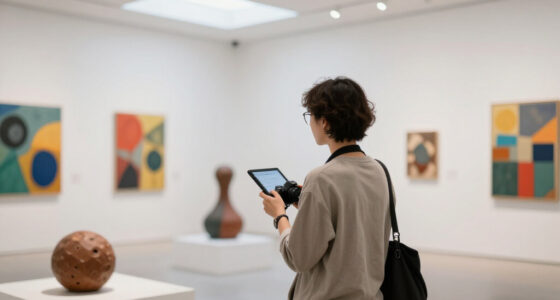
Speaking in the Vatican’s Consistory Hall at “The Art of Possibility: Weaving Together,” Leo said the distinction between human art and machine-generated output was “ontological” before it was aesthetic. The meeting was organized by the Dicastery for Culture and Education and brought together artists and curators, including people involved in the Vatican’s recent Venice Biennale pavilion.
“There is an ontological difference — even before an aesthetic one — between art and what a machine can generate through statistical calculation based on millions of images created by others,” the Pope said, according to Hyperallergic’s report. He also described art as receptive to questions of the human heart, making them “audible, visible and shareable.”
Leo tied the argument to his first encyclical, Magnifica Humanitas, published in May, which cautions against AI encroaching on human life. The report says the letter rejects measuring progress only by performance or technological speed, emphasizing empathy and human connection instead. Leo said that “authentic culture and art preserve” what he called the human spark.
The Vatican’s Case for Human Creativity
The remarks put the Pope’s support behind a wider discussion about what generative AI means for artists, cultural institutions and audiences. AI systems can produce images by drawing on patterns in existing material; Leo’s speech argued that this process is not equivalent to human artistic expression. That is a philosophical position, not a technical finding or a new rule governing AI.
For artists, the concern reaches beyond whether generated images look convincing. Questions about the use of existing works to develop AI systems, creative credit and the value audiences place on human-made work remain contested. Leo’s call signals that the Church wants to engage artists and cultural organizations in these debates, although the speech did not specify what that renewed alliance would involve.
The Vatican’s involvement also gives the discussion a moral and cultural dimension: the Pope linked artistic creation to human experience, empathy and shared meaning. His intervention may shape how Catholic institutions approach AI and the arts, but the report does not describe any new guidance, restrictions or program resulting from the meeting.
As an affiliate, we earn on qualifying purchases.
From Biennale Pavilion to Vatican Meeting
The October gathering followed a period of Vatican engagement with contemporary art. In May, artist Patti Smith inaugurated the Holy See Pavilion at the Venice Biennale with a sound installation. Hyperallergic described the work as inviting audiences to listen, contemplate and reflect on the role of human intellect in personal and spiritual enrichment.
The pavilion’s title this year, “The Ear is the Eye of the Soul,” also informed Leo’s remarks. He used the image of art as an antenna that receives questions people may struggle to express and makes them available to others. His speech connected that theme to the Vatican’s stated intention to renew its alliance with artists and cultural institutions.
The report places the Pope’s comments amid concerns about censorship and cultural homogenization associated with AI. Those concerns were presented as part of the meeting’s wider setting; the reported speech does not identify specific cases or provide evidence that AI has caused particular acts of censorship.
“There is an ontological difference — even before an aesthetic one — between art and what a machine can generate through statistical calculation based on millions of images created by others.”
— Pope Leo XIV, as quoted in Hyperallergic’s report
art supplies for traditional artists
As an affiliate, we earn on qualifying purchases.
As an affiliate, we earn on qualifying purchases.
No New AI Policy Announced
The report does not say whether the Vatican will turn Leo’s call into formal guidance, funding, partnerships or rules for the use of AI in art. It also does not outline how the Church would define acceptable AI-assisted work or address questions about artists’ material being used in training datasets.
Leo’s claims about a fundamental difference between human art and machine output express his position; the speech, as reported, does not offer a technical assessment of AI systems or establish a shared view among artists and cultural institutions. The details of any renewed alliance remain unannounced.
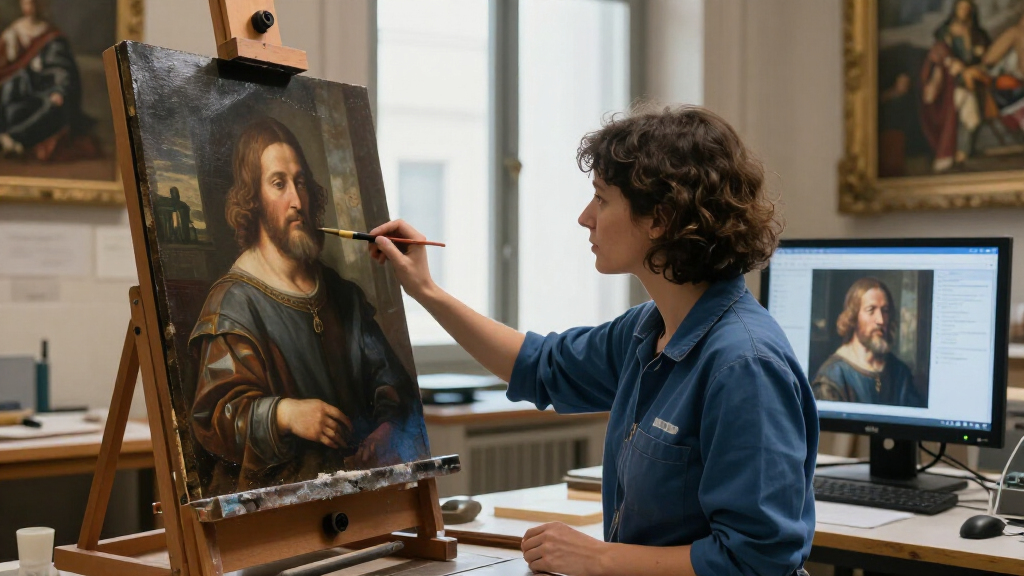
art preservation and restoration tools
As an affiliate, we earn on qualifying purchases.
As an affiliate, we earn on qualifying purchases.
Details of Church-Arts Ties Pending
The next step will depend on whether the Vatican and the organizations represented at the meeting describe concrete ways to continue working together. The report gives no timeline for further announcements or follow-up events. Readers can expect a clearer picture only if the Church, the Dicastery for Culture and Education, or participating artists outline specific initiatives or positions on AI and artistic practice.
As an affiliate, we earn on qualifying purchases.
Key Questions
What did Pope Leo XIV say about AI and art?
He argued that human art differs fundamentally from machine-generated work and said authentic culture and art preserve a human “spark.”
When and where did he make the remarks?
Leo spoke on October 2, 2026, in the Vatican’s Consistory Hall during “The Art of Possibility: Weaving Together,” a meeting organized by the Dicastery for Culture and Education.
Did the Pope announce new rules for AI-generated art?
No. The reported speech called for renewed ties with artists and cultural institutions but did not announce regulations, funding or a specific program.
What is Magnifica Humanitas?
It is Pope Leo XIV’s first encyclical, published in May, which the report says cautions against AI’s encroachment on humanity and emphasizes empathy and human connection.
Source: rss
Fall Picks
fall essentials
As an affiliate, we earn on qualifying purchases.