
TL;DR
This guide covers essential art supplies for students, recent trends like eco-friendly and digital tools, and practical tips for choosing, organizing, and caring for art materials. It helps you pick supplies that suit age, budget, and skill level, boosting creative growth.
Imagine a student opening their art kit and feeling that spark of excitement. Bright colored pencils, smooth watercolor paper, a set of fresh brushes—these tools become their gateway to imagination. But choosing the right supplies isn’t just about colors and shapes; it’s about setting the stage for creativity to flourish.
If you’ve ever wondered how to pick supplies that match a student’s age, skill, or passion—without breaking the bank—this guide is for you. We’ll explore what really matters in art supplies for students, recent innovations, and practical tips to make every art session inspiring and safe.
Match art supplies to the student’s age and skill level for safety and confidence.
Start with basic, versatile tools—like watercolor pencils or adjustable sketchbooks—that suit multiple mediums.
Invest in eco-friendly, non-toxic supplies to support health and sustainability.
Use online deals, starter kits, and bulk packs to keep costs manageable without sacrificing quality.
Keep supplies organized in labeled containers and care for tools to extend their lifespan.
What Art Supplies Are Must-Haves for Every Student?
Starting with the basics is key. Every student needs a sturdy set of pencils, erasers, and sharpeners—think of these as the foundation of any art project. But beyond mere possession, understanding why these tools matter helps in choosing the right ones. For example, the quality of pencils influences the precision and gradation you can achieve, which impacts the final artwork’s detail and shading. Cheaper pencils may break easily or produce uneven lines, leading to frustration. Similarly, good erasers that don’t damage paper preserve the integrity of the artwork and allow for clean corrections, fostering confidence. When selecting sharpeners, consider durability and the ability to produce fine points—crucial for detailed work. These choices affect not just the immediate project but also the long-term development of skills, as consistent, quality tools encourage better technique and patience. For painting, watercolors and acrylics are popular, but the choice of paper and brushes can significantly alter the outcome; textured paper, for example, can add depth, but may be harder for beginners to control. For younger kids, washable and non-toxic supplies reduce exposure to harmful chemicals and make cleanup easier, promoting safe art experiences. As students progress, upgrading to more professional-grade materials can unlock higher levels of detail and experimentation, supporting their growth and confidence in their craft.

Cra-Z-art Washable Watercolors with Brush, 8 Colors, 1 Tray (10651)
- Includes 8 washable watercolor paints: 8 bright, washable colors
- Perfect for school and home projects: Ideal for educational and creative use
As an affiliate, we earn on qualifying purchases.
As an affiliate, we earn on qualifying purchases.
How to Pick Age-Appropriate Art Supplies?
Choosing supplies that match a student’s age isn’t just about size; it’s about fostering safety, independence, and artistic growth. For young children, non-toxic, washable, and durable tools aren’t just safety features—they lay the groundwork for positive experiences. Chunky crayons and thick markers are easier to grip, reducing frustration and encouraging exploration. Their simplicity minimizes mess and accidental ingestion, which is critical for safety. For older students, the focus shifts toward more refined materials that challenge their skills and expand their creative possibilities. Using high-quality colored pencils like Prismacolor or professional-grade brushes can inspire students to experiment with shading, blending, and finer details, which are essential skills for advanced art. Transitioning to materials like acrylic paints or charcoal allows for a broader range of techniques and textures, essential for high school or college-level projects. The key is understanding the developmental stage—introducing complex tools too early can be discouraging, while too simplistic supplies might limit potential. By aligning supplies with current skills and curiosity, you foster a sense of achievement and motivation, enabling students to take ownership of their artistic journey. This thoughtful matching also reduces waste and repeated purchases, as students are more likely to use and appreciate tools suited to their current level.

STAEDTLER Colored Pencils Set (24-Pack) for School Supplies – Break-Resistant Lead, Sustainably Made, Vibrant Colors for Artists & Students
- Sustainable Material: Made from upcycled wood waste
- Durable Core: Break-resistant cores for longevity
- Vivid Colors: Rich pigments that pop on any surface
As an affiliate, we earn on qualifying purchases.
As an affiliate, we earn on qualifying purchases.
Top 5 Tips for Budget-Friendly Art Supplies That Still Work
- Start with beginner kits: These kits often include a curated selection of essential tools, reducing the guesswork and ensuring compatibility between supplies. They are designed to offer good quality at a lower cost, which helps build confidence without overwhelming a beginner with choices. However, the tradeoff can be that some items may be less durable, so upgrading key tools over time maximizes value.
- Buy in bundles: Multi-packs or value packs are not just cheaper—they also promote versatility. For example, a set of assorted brushes or a variety of colored pencils can be used across different projects, encouraging experimentation. The challenge is that some bundled items may not be of professional quality, so selecting reputable brands within bundles is essential for longevity and performance.
- Use student discounts: Many stores and online platforms offer discounts that significantly reduce costs. Combining these discounts with sales or coupon codes can make high-quality supplies affordable. The upside is access to better tools within a limited budget, but it requires planning and research to maximize savings.
- Opt for versatile tools: Supplies like watercolor pencils serve multiple purposes—drawing, coloring, and painting—reducing the need for multiple specialized tools. This versatility encourages students to explore different mediums without financial strain. The tradeoff is that some multifunctional supplies may not perform as well as specialized ones for certain techniques, so understanding their limitations is key.
- Repurpose household items: Everyday objects like old toothbrushes for splattering paint or scrap paper for practice can stretch your budget without sacrificing creativity. While economical, these DIY solutions may not always provide the precision or durability of dedicated art tools, so they are best used as supplementary resources.
For example, Lily found a $20 art starter kit online that included colored pencils, watercolors, and sketchpads. She used online coupons and bought extra brushes in a set, giving her a versatile collection without overspending.
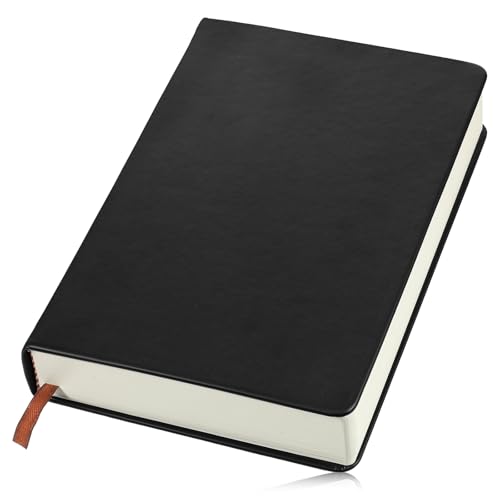
Thick A5 Sketchbook Notebook 660 Pages Blank Thick Smooth Notebook Soft Faux Leather Cover Journal for Ink, Water Color, Pen, Pencils, 80GSM, 5.7" x 8.5"
- Ample Creative Space: 660 pages of acid-free, smooth paper
- Portable A5 Size: 5.7 x 8.5 inches for easy carrying
- High-Quality Materials: Soft faux leather cover and stitched binding
As an affiliate, we earn on qualifying purchases.
As an affiliate, we earn on qualifying purchases.
Eco-Friendly and Safe Art Supplies Students Will Love
Eco-friendly art supplies are more than a trend—they’re a smarter choice for health and the planet. Look for non-toxic, biodegradable, and recycled materials. These options often have a higher upfront cost but can lead to significant long-term savings as they tend to last longer and produce less waste. For example, refillable markers reduce the need for frequent replacements, and recycled paper minimizes environmental impact. Choosing eco-friendly supplies also encourages students to develop environmental consciousness—understanding that their creative process can be sustainable. Brands like Arteza and Faber-Castell are innovating with refillable, biodegradable, and recycled products, making it easier for students to align their art practices with their values. The implications go beyond individual health; supporting sustainable materials reduces pollution and conserves resources, fostering a sense of responsibility. While initial costs might be higher, the durability and environmental benefits make these supplies a wise investment, helping students learn that art and sustainability can go hand in hand, ultimately shaping more conscientious creators and consumers.

TBC The Best Crafts Paint Sticks for Kids Ages 2-8, 12 Classic Colors
- Vibrant, Mixable Colors: 12 classic washable tempera sticks
- Smooth, Fast-Drying Formula: Glides on like lipstick, dries instantly
- Twist-Up Design: No broken sticks or wrappers
As an affiliate, we earn on qualifying purchases.
As an affiliate, we earn on qualifying purchases.
Digital Art Tools: Are They a Good Fit for Students?
Digital art tools are increasingly integrated into educational settings and personal practice. Tablets, styluses, and drawing apps offer a clean, flexible, and efficient way to create, often providing features that traditional media cannot match, such as undo options, layers, and a limitless color palette.
For students interested in digital media, these tools can accelerate learning—allowing quick experimentation and easy corrections—while also building skills relevant to modern careers in illustration, animation, and graphic design. Noah’s experience with a drawing tablet exemplifies this: he can sketch, color, and refine his work with a few taps—saving time and reducing material costs. Digital work also facilitates sharing and collaboration, which are vital in today’s connected world. However, reliance solely on digital tools can limit tactile skills like brush control or color mixing, which are foundational for traditional art. Therefore, integrating digital tools with traditional techniques provides a more comprehensive skill set. The key is understanding the strengths and limitations of each medium, ensuring students develop versatile abilities that adapt to various artistic contexts. Digital tools are not a replacement but a supplement—enhancing creativity and efficiency while preserving the tactile experience essential for foundational art skills.
How to Organize and Care for Art Supplies Like a Pro
Keeping art supplies organized is essential for maintaining their quality and ensuring a smooth creative process. Proper organization isn’t just about tidiness; it directly impacts the longevity and performance of your materials. For example, storing brushes upright and cleaning them regularly prevents mold and deterioration, which preserves their ability to produce smooth strokes. Using labeled compartments or dedicated containers helps in quickly locating the right tool, reducing frustration during busy sessions. Regular maintenance, such as sharpening pencils and sealing paints tightly, prevents drying out or spills that can ruin supplies and create messes. Investing in a sturdy case or rolling cart can make transportation easier and help keep everything in one place, especially for students who work in multiple locations. Mia’s method of using a clear plastic tackle box with labeled sections exemplifies how visual organization simplifies access and encourages responsible care. Proper storage and maintenance also teach students discipline and respect for their tools, fostering habits that extend their lifespan and improve the quality of their work. Ultimately, organized supplies lead to more enjoyable, efficient, and professional-looking art sessions.
What’s New in Art Supplies for Students? The Latest Trends
Innovation continues to reshape art education. Eco-friendly materials, multi-medium pencils, and digital integration are at the forefront. For instance, water-soluble colored pencils allow seamless transition between drawing and painting, reducing the need for multiple tools and promoting experimentation. Augmented reality (AR) apps are emerging as interactive tools that let students visualize their artwork in 3D or interact with virtual galleries, expanding the boundaries of traditional art. 3D printing kits are also gaining traction, enabling students to bring sculptures and models to life, fostering a deeper understanding of form and structure. These trends are not just about new tools—they influence creative thinking and learning approaches, making art more engaging, sustainable, and accessible. They also reflect a shift toward integrating technology with traditional skills, preparing students for diverse artistic careers. Embracing these innovations can inspire students to explore new mediums, challenge conventions, and develop skills that are relevant in a rapidly evolving creative landscape.
Frequently Asked Questions
What are the must-have art supplies for beginners or children?
Basic supplies like non-toxic colored pencils, washable markers, simple watercolor sets, sketchbooks, and safety scissors are perfect for beginners. These tools are easy to use and encourage experimentation without overwhelming the young artist.How do I choose quality art supplies within a budget?
Look for starter kits that bundle essential tools at a lower price. Shop online for discounts, buy in bulk, and opt for versatile, mid-range brands like Arteza or Faber-Castell. Sometimes, investing a little more upfront saves money in the long run through durability.Are eco-friendly or non-toxic options really worth it?
Absolutely. They’re safer for health, especially for children, and better for the planet. Many brands now offer biodegradable brushes and refillable markers, which last longer and reduce waste—making them a smart choice for eco-conscious students.What supplies are necessary for high school or college art courses?
Students typically need a broader range of materials: high-quality pencils, a variety of brushes, acrylic or oil paints, specialized paper or canvases, and digital tools like tablets or styluses. Check course requirements for specifics, but investing in professional-grade supplies often improves results.How can I organize and store art supplies effectively?
Use labeled plastic bins, portable cases, or rolling carts to keep supplies tidy. Regularly clean brushes and sharpen pencils to maintain their quality. Well-organized supplies reduce clutter and frustration, making art sessions more productive and enjoyable.Conclusion
Choosing the right art supplies doesn’t have to be complicated. Think about safety, versatility, and sustainability—then let your creativity run wild. Remember, the best tools inspire confidence and make every stroke a joy.
So, whether you’re setting up for a budding artist or upgrading your kit, focus on what sparks the most passion. After all, great art starts with great supplies—and a little bit of fearless imagination.